
Biceps tendon tear at the shoulder
The biceps muscle sits on the front of your upper arm and allows you to bend your elbow, rotate your forearm (turning your palm upward), and help stabilize the shoulder joint. The muscle attaches to bone via two tendons at the shoulder: the long head tendon and the short head tendon.
What causes a biceps tendon tear?
Symptoms to look for
- A sudden, sharp pain in the upper shoulder, often accompanied by an audible 'pop' or snapping sensation
- Tenderness and cramping in the biceps muscle following heavy exertion
- Bruising from the mid-upper arm down toward the elbow
- Weakness when bending the elbow or rotating the forearm (turning the palm upward)
- Difficulty performing overhead reaching or lifting tasks
- A visible bulge or change in contour in the upper arm above the elbow
How is a biceps tendon tear diagnosed?
A complete tear of the long head of the biceps often produces a characteristic 'Popeye' muscle bulge in the lower upper arm, making diagnosis straightforward. Partial tears or less visible injuries require a careful clinical evaluation.
Risk factors
You are more susceptible to a biceps tendon tear if you:
- Are aged 40 or older (due to cumulative tissue wear)
- Participate in heavy overhead sports (such as weightlifting) or repetitive overhead activities (such as tennis or swimming)
- Perform heavy manual labor or lifting
- Smoke (nicotine impairs blood flow and compromises tendon strength)
- Have received regular corticosteroid injections into or near the tendon

Treatment routes for Biceps tendon tear
Because the biceps has two attachments at the shoulder, many patients, particularly older or less active individuals, can function well without repairing the torn long head tendon. Conservative care includes resting the arm, applying ice (wrapped in a damp towel) for 15–20 minutes several times daily, taking non-steroidal anti-inflammatory drugs (NSAIDs), and completing a targeted physical therapy program to strengthen the surrounding shoulder and elbow muscles.
Recovery from a biceps tendon tear
Protection and rest
Your arm will be supported in a shoulder sling to protect the surgical repair. Focus on gentle hand, wrist, and finger movements to maintain circulation. Keep surgical dressings clean and dry. Stitches are typically checked or removed around 10 to 14 days.
Passive movement and weaning the sling
You will begin guided passive range-of-motion exercises with your physiotherapist, allowing the shoulder and elbow to move without engaging the biceps muscle. The sling is gradually discontinued for light daily activities under guidance.
Active movement and light strengthening
Active movement (using your own muscle power) is reintroduced. Rehabilitation focuses on restoring full shoulder mobility and introducing light resistance training for the rotator cuff and biceps.
Advanced conditioning and sports return
Progressive strength and conditioning exercises are introduced. Most patients return to full daily activities, manual work, and overhead sports within 3 to 6 months post-surgery.
Working with professionals and teams
Our shoulder specialists support professional athletes, sports teams, active individuals and people whose work places high demands on their shoulders. Working closely with radiologists, physiotherapists and the wider multidisciplinary team, they provide coordinated care from diagnosis through to rehabilitation, helping each person return safely to sport, work or everyday activities.
The same specialist expertise and collaborative approach are available to every patient, whatever your activity level or recovery goals.

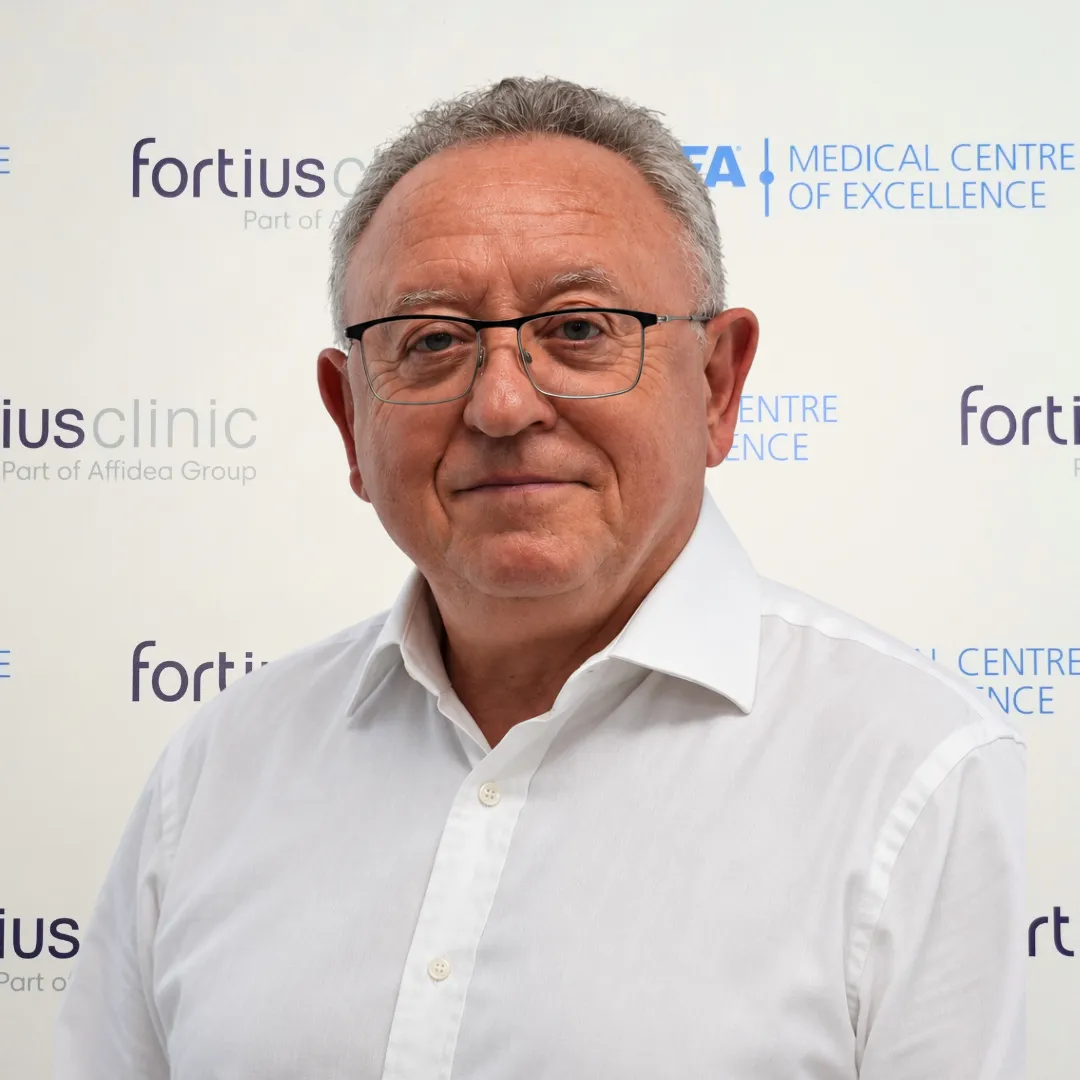
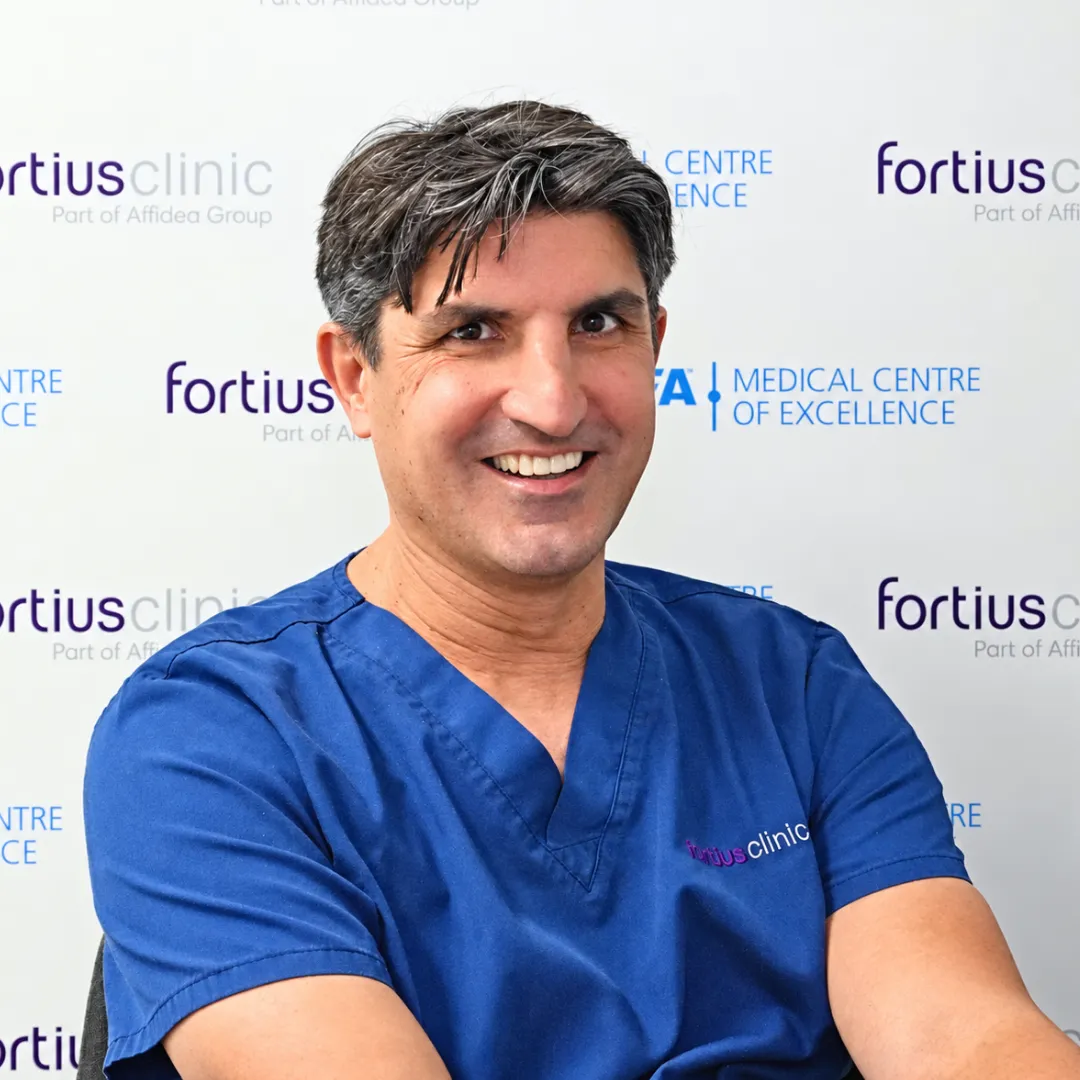
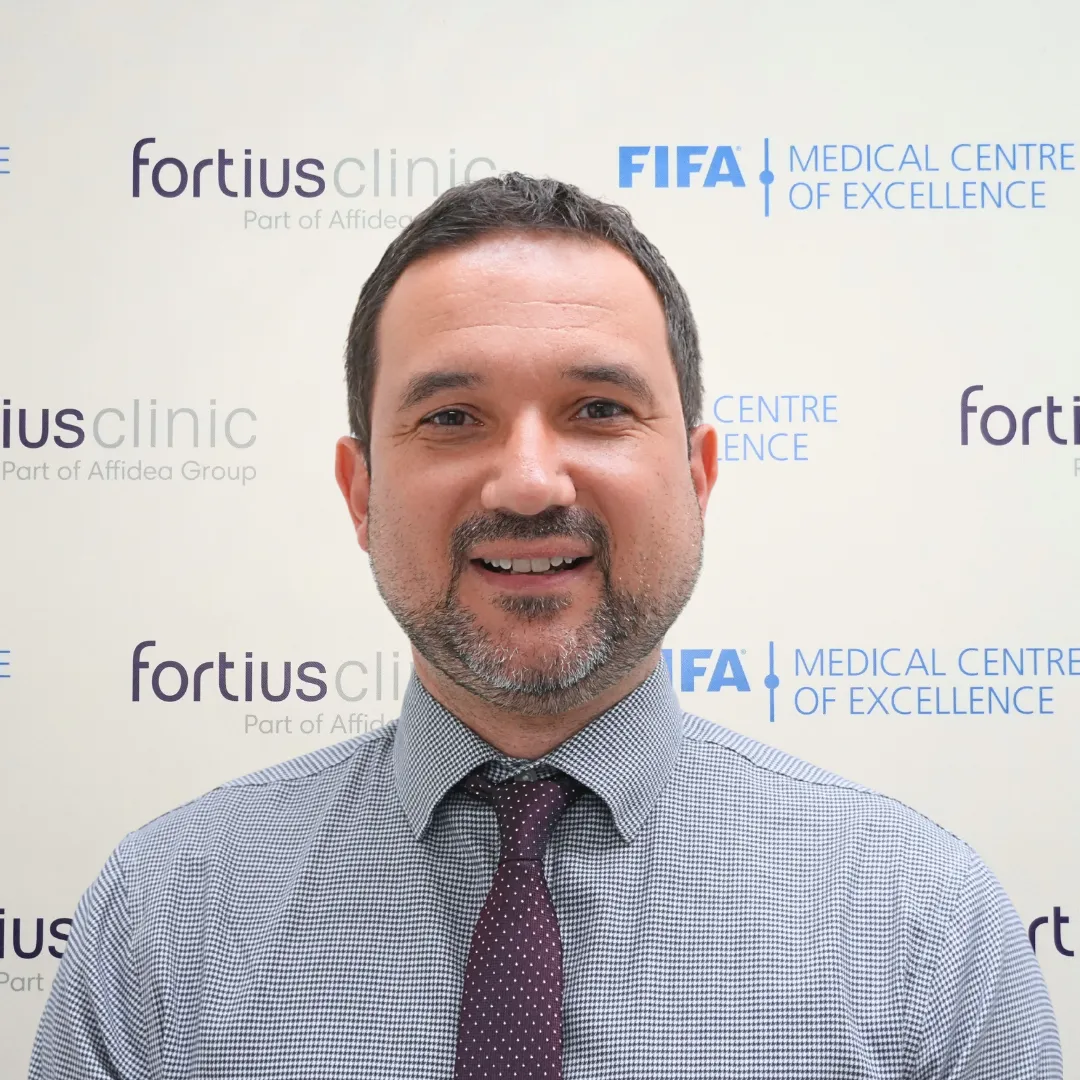
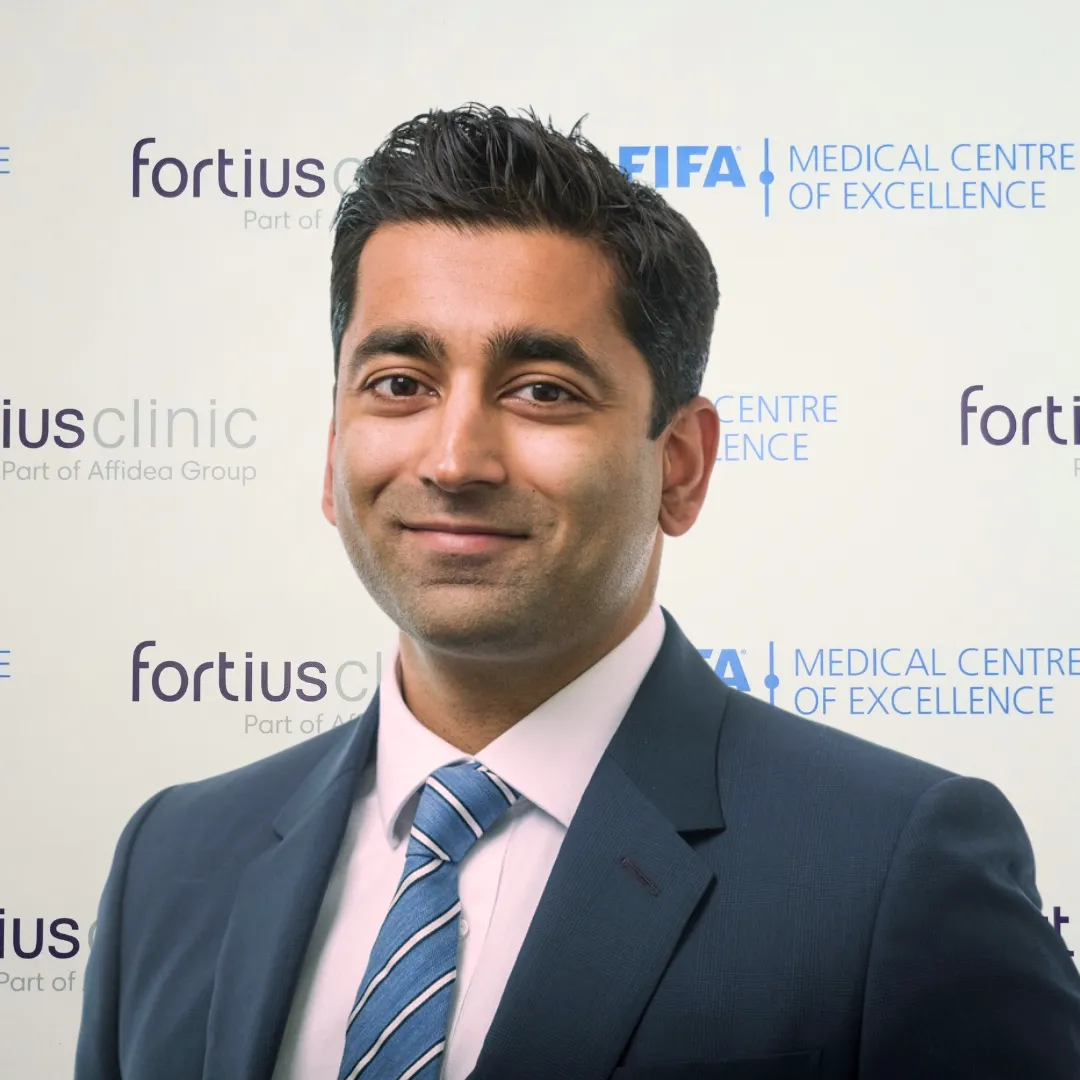
Our Experts - Leaders in Shoulder Treatment









How to pay
We offer flexible options depending on how you choose to access care at Fortius. Whichever option you choose, we’ll help make the process clear and straightforward from the start.
Private medical insurance
If your care is covered by private medical insurance, we’ll usually invoice your insurer directly. Please check your policy in advance and request an authorisation code if your insurer requires one. You’ll be responsible for paying any policy excess or costs that aren’t covered by your insurance.

Paying for yourself
You don’t need private medical insurance to access care at Fortius. If you’re paying for your own treatment, our team will explain the costs clearly and provide a personalised quote before you decide whether to go ahead.