
Morton’s neuroma surgery
Morton’s neuroma surgery (neurotomy or excision of neuroma) is a highly effective, minimally invasive foot procedure carried out to remove an enlarged, pinched nerve in the forefoot, providing definitive relief from persistent shooting pain, burning sensations, and numbness.
Morton’s neuroma overview
Morton’s neuroma occurs when a plantar digital nerve in the foot becomes chronically squashed or irritated as it passes under the ligament connecting the metatarsal bones, most commonly between the third and fourth toes. Over time, continuous compression causes the nerve sheath to thicken and enlarge, resulting in sharp, burning pain, cramping, or the feeling of walking on a marble or rolled-up sock. When non-surgical treatments, such as wider footwear, custom orthotics, activity modification, or targeted corticosteroid injections, fail to provide lasting relief, surgical excision of the neuroma offers a long-term solution.
What does the procedure involve?
Morton’s neuroma surgery is routinely performed as a day-case procedure, allowing you to return home on the same day.
Surgical technique
- Anaesthesia: The procedure is carried out under general anaesthetic, combined with a local anaesthetic injection (ankle block) around the foot so you wake up completely pain-free.
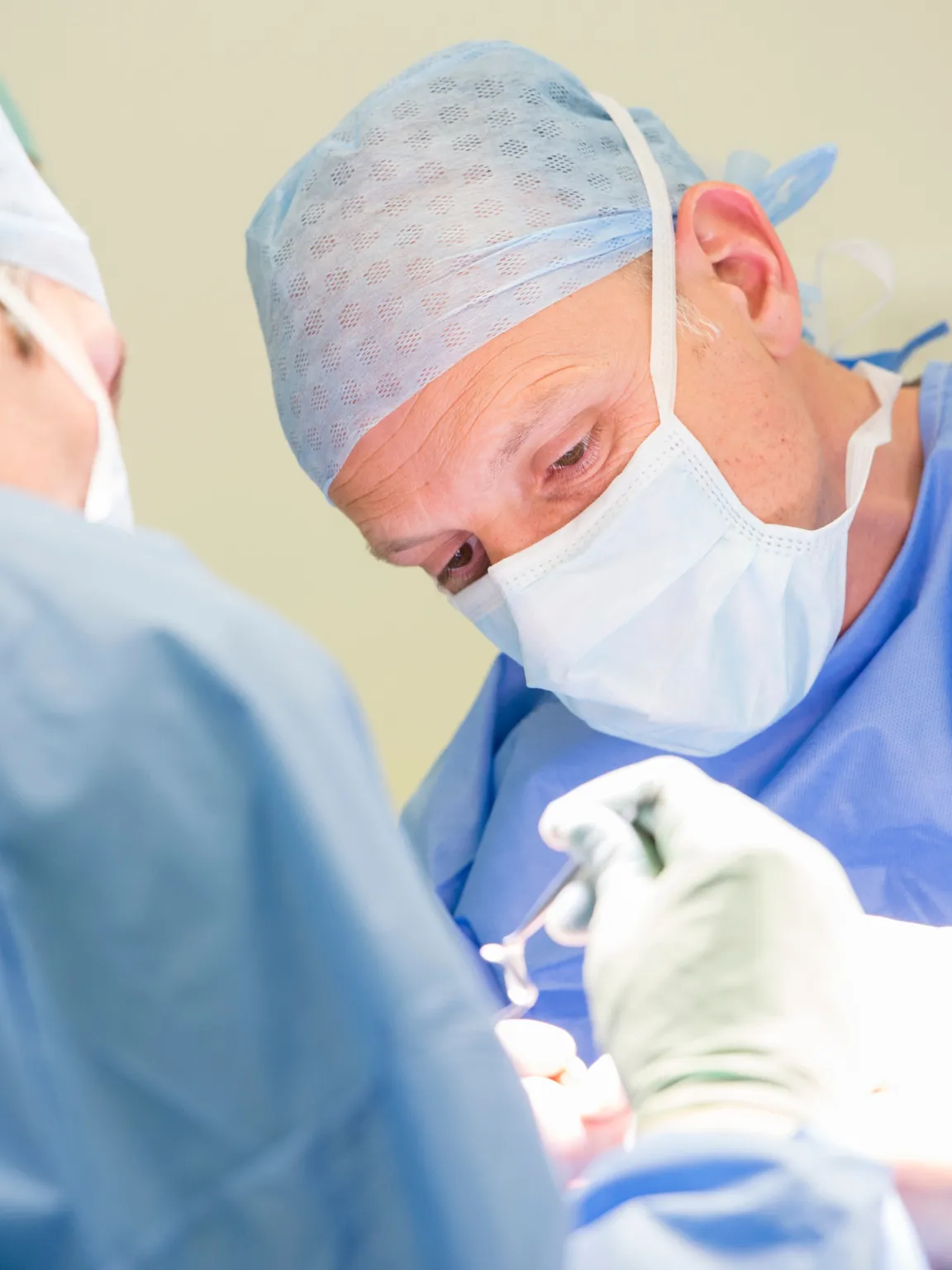
- Excision: The foot and ankle surgeon makes a small incision (cut) on the top (dorsal surface) of the foot between the affected toes directly over the neuroma. Accessing the nerve from the top of the foot avoids placing a scar on the sole, ensuring comfortable weight-bearing during recovery.
- Nerve resection: The swollen section of nerve tissue is carefully freed from surrounding metatarsal ligaments and excised (removed).
- Closure: The small incision is closed with fine sutures and covered with a sterile dressing and a supportive, bulky foot bandage.
The surgery typically takes 20 to 30 minutes.
What long-term outcome can I expect?
Morton’s neuroma surgery has an exceptionally high patient satisfaction rate of up to 90 per cent.
- Pain relief: Excellent relief from sharp, burning forefoot pain once initial wound healing is complete (typically within 2 to 4 weeks).
- Return to activity: Most patients comfortably resume high levels of daily activity and sports by 3 months, with full overall recovery achieved by 6 months.
- Toe numbness: Because the affected sensory nerve is removed, you will have a permanent area of mild numbness on the inner sides of the adjacent toes. This is expected, harmless, and rarely causes functional issues.
- Residual swelling: Mild, intermittent swelling in the forefoot can persist for up to 6 to 12 months following surgery, particularly after prolonged standing or walking.
Recovery after Morton’s neuroma surgery
Immediate post-surgery
Your foot will be bandaged, numb, and pain-free. Before discharge, a physiotherapist will fit you with a padded stiff-soled post-operative shoe and instruct you on mobility exercises and elevation.
First 2 weeks
Elevate your foot above heart level as much as possible to control swelling. Move around only for essential needs (such as using the bathroom). Full weight-bearing is permitted in your stiff-soled hospital shoe, but rest remains the priority.
First follow-up review
Your bulky bandages and sutures are removed, and the incision site is inspected. You can transition to showering without a waterproof cover once the wound is dry and healed. Gentle toe mobilisation exercises begin.
Second follow-up review
Your foot is re-examined by your consultant. You will be cleared to transition out of the stiff hospital shoe and back into your own comfortable, wide-fitting footwear.
Final discharge
A final assessment is conducted to evaluate your gait, range of movement, and return to physical activity and sport before official discharge.
Working with foot and ankle professionals and teams
Our foot and ankle specialists support professional athletes, sports teams, active individuals and people whose work places high demands on their feet and ankles. Working closely with radiologists, physiotherapists and the wider multidisciplinary team, they provide coordinated care from diagnosis through to rehabilitation, helping each person return safely to sport, work or everyday activities.
The same specialist expertise and collaborative approach are available to every patient, whatever your activity level or recovery goals.

Our Experts - Leaders in Foot and Ankle treatment


How to pay
We offer flexible options depending on how you choose to access care at Fortius. Whichever option you choose, we’ll help make the process clear and straightforward from the start.
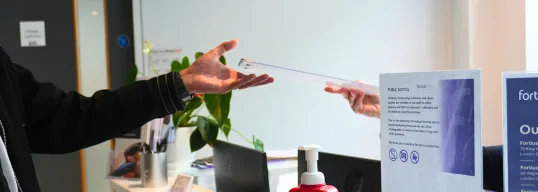
Private medical insurance
If your care is covered by private medical insurance, we’ll usually invoice your insurer directly. Please check your policy in advance and request an authorisation code if your insurer requires one. You’ll be responsible for paying any policy excess or costs that aren’t covered by your insurance.

Paying for yourself
You don’t need private medical insurance to access care at Fortius. If you’re paying for your own treatment, our team will explain the costs clearly and provide a personalised quote before you decide whether to go ahead.
Morton’s neuroma surgery FAQs
Morton’s neuroma surgery is a safe and routinely performed day-case procedure. Potential risks include:
- Infection: The risk of localized wound infection is around 1% and is successfully treated with short courses of antibiotics.
- Persistent or recurrent pain: Between 10 and 20 per cent of patients may experience residual forefoot aching or stump neuroma formation (where the cut nerve end becomes irritated). Secondary treatments, such as targeted injections or repeat micro-surgery (successful in 60 to 70% of cases), can be considered.
- Toe stiffness: The toes next to the incision may feel slightly stiff initially. Guided physiotherapy and daily mobilization exercises help restore full flexibility.
- Deep Vein Thrombosis (DVT): Blood clots in the leg veins are uncommon (less than 3% of cases). Preventative measures or temporary blood-thinning medications may be prescribed if you have additional risk factors.
- Walking and footwear: You can bear full weight immediately in your specialized post-operative shoe for the first 6 weeks. After 6 weeks, you will gradually transition back into supportive, comfortable trainers or wide shoes.
- Returning to work: If your job is desk-based or sedentary, you can usually return within 2 weeks. If your occupation involves manual labor, heavy lifting, or prolonged standing, you may require up to 6 weeks off work.
- Driving: Under DVLA guidelines, you must be in full control of your vehicle and able to execute a emergency stop without hesitation or pain. This typically takes 4 to 6 weeks post-procedure. Always verify with your consultant and vehicle insurer before resuming driving.
- Sport and exercise: Low-impact exercise (such as stationary cycling and swimming once the wound is healed) can begin around 6 weeks. A gradual return to higher-impact activities, running, and court sports is generally achieved by 8 to 12 weeks.
- First 2 weeks: Keep your bandaging completely clean and dry. You can shower using a protective waterproof cover over your foot and leg.
- After 2 weeks: Once sutures or dressings are removed and your consultant confirms the wound has healed, you may shower normally. Gently dab the incision dry with a clean towel, do not rub or pull at scabs, allowing them to drop off naturally.
- Infection monitoring: Contact Fortius Clinic immediately if you notice spreading redness, increasing pain, heat, or unusual discharge from the surgical site.
Find a clinic near you
Fortius Clinic Marylebone
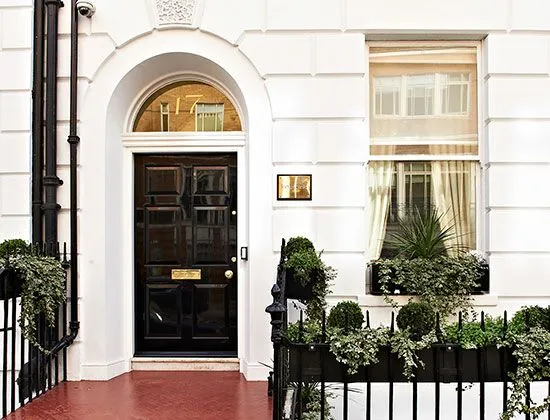
Our Marylebone Clinic is conveniently located in the historic area between Baker Street and Marylebone High Street, just off Manchester Square, home to the iconic Wallace Collection. We have seven consulting rooms, private waiting areas on each floor, well equipped treatment rooms and diagnostic imaging.
- 17 Fitzhardinge StreetW1H 6EQ
- 020 3195 2442
- Outpatient times are Monday to Friday from 8.00am to 8.00pm.
- MRI Scan
- Ultrasound
- X-Ray
- Physician services
- Rheumatology
Fortius Clinic London

Our 79,000 sq ft, seven-story, private hospital on Wigmore Street has 39 en-suite inpatient rooms, consultation and treatment rooms, and a physiotherapy suite.
The hospital has a high-spec imaging suite fully equipped with an MRI, CT scanner and X-ray machine. There are three state-of-the-art operating theatres, two anaesthetic rooms and a recovery bay.
Fortius Clinic London has two Mako robots for hip and knee joint replacements.
- 66 Wigmore Street W1U 2SB
- 0203 195 2442
- Outpatient times are Monday to Friday from 8.00am to 8.00pm.
- Sports & Exercise Medicine
- Snow Injuries Clinic
- Tendon Clinic
- MRI Scan
- Ultrasound
- X-Ray
- Physician services
- Rheumatology
- CT Scan
- Image guided injections
- Physiotherapy
- MAKO Robotic Joint Replacement
Fortius Clinic Wimbledon
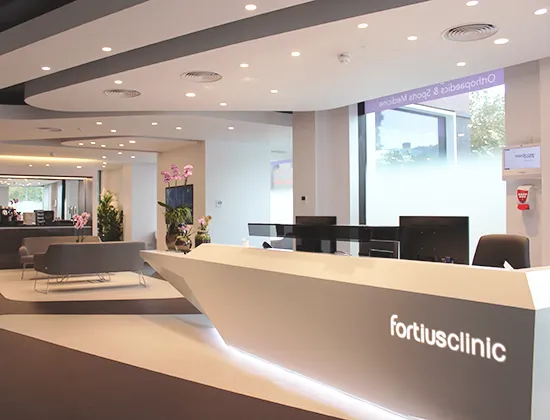
Our Wimbledon clinic houses a state-of-the-art imaging centre with a 3T MRI and X-ray scanners, Ultrasound, seven consulting rooms, two spacious waiting areas and well equipped treatment rooms all located on one level, ensuring easy accessibility for all patients.
Our partnership with Spire St Anthony’s Hospital allows us to provide orthopaedic surgery closer to our clinic. We treat a full range of conditions and perform joint replacement surgery using the latest Mako robotic assisted technology.
The building at 22 Worple Road has steps leading up to the front entrance. If you require assistance please inform us before your arrival by calling ahead on 020 3195 2442
- 22 Worple Road SW19 4DD
- 0203 195 2442
- Outpatient times are Monday to Friday from 8.00am to 8.00pm.
- Snow Injuries Clinic
- MRI Scan
- Ultrasound
- X-Ray
Fortius Clinic City
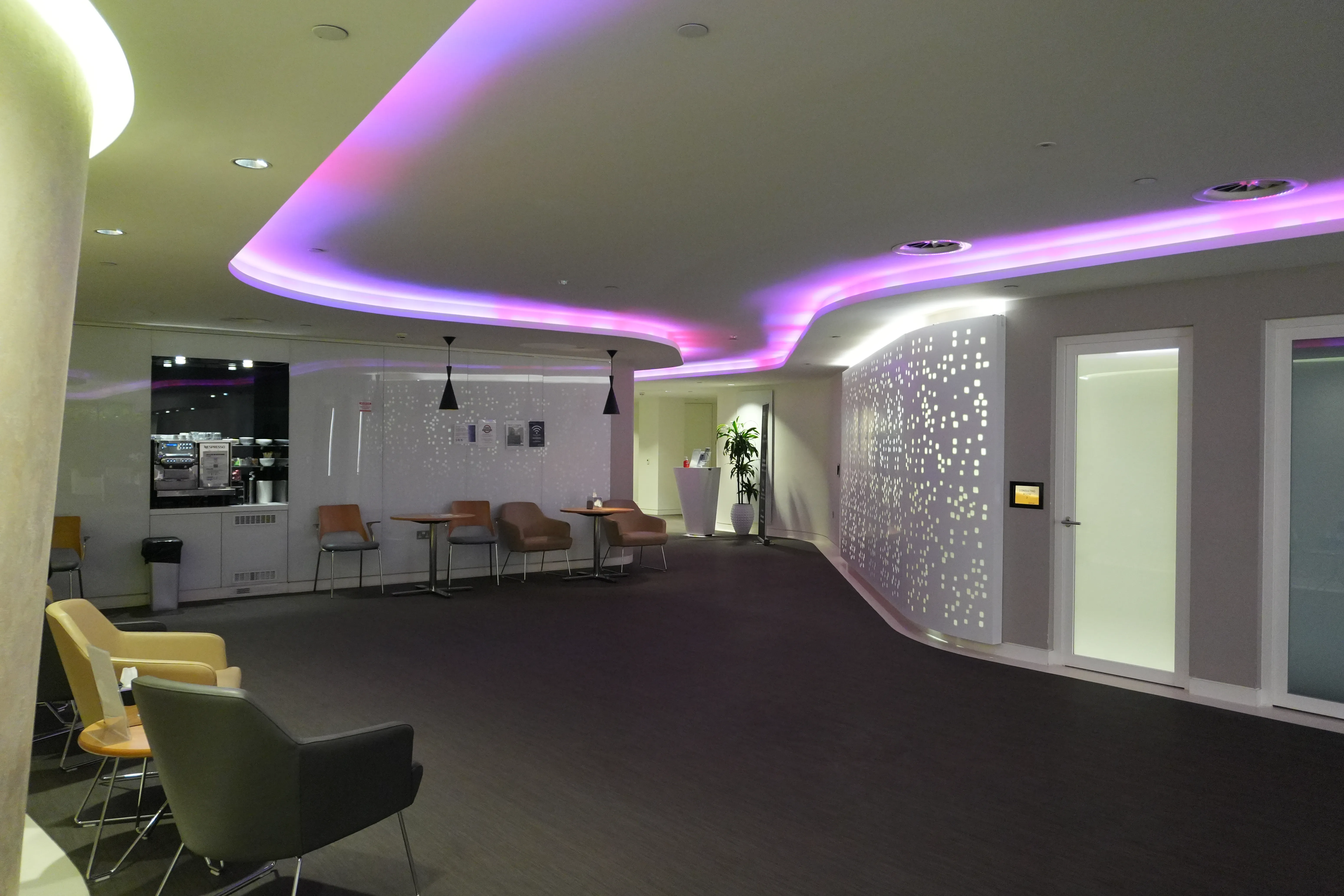
Our City Clinic is conveniently located between Bank and Monument stations, within the historic and financial heart of London. At our modern, two-floor facility we have nine consulting rooms, spacious waiting areas, well equipped treatment rooms and an imaging centre.
Explore our City Clinic with our virtual tour.
If you are travelling by Tube, our closest underground stations are Bank and Monument, exit 6 for King William Street.
Should you be travelling by car, the closest parking is a three minute drive away at NCP Car Park London Vintry Thames Exchange. If you are attending clinic on a weekday, please be aware that we are based in the congestion charge zone.
- 75 King William Street EC4N 7BE
- 0203 195 2442
- Outpatient times are Monday to Friday from 8.00am to 8.00pm.
- Snow Injuries Clinic
- Tendon Clinic
- Sports & Exercise Medicine
- MRI Scan
- Ultrasound
- X-Ray
- Physician services
- Rheumatology
1 of 4