
Whiplash
Whiplash occurs when a sudden, violent impact causes the head to jerk abruptly forwards, backwards, or sideways beyond its natural range of movement.
What Causes Whiplash?
Whiplash is commonly triggered by sudden force or unexpected impact that jolts the neck. Common causes include road traffic collisions, sporting injuries, falls and slips, trauma.
What Are the Symptoms?
Symptoms of whiplash often take several hours or up to a day to manifest following the initial injury. Common signs include:
- Neck pain, tenderness, and stiffness that worsens with movement
- Restricted range of motion in the neck and shoulders
- Headaches, typically originating at the base of the skull
- Muscle spasms, aching in the shoulders, upper back, or arms
- Dizziness, tiredness, or vertigo (a sensation of spinning)
- Numbness, tingling, or "pins and needles" radiating into the arms or hands
- Irritability, temporary memory issues, or difficulty concentrating (in severe cases)
Emergency Red Flags
Seek immediate emergency medical evaluation (A&E) if you experience severe, unmanageable neck pain following a high-impact accident, progressive weakness in your arms or legs, difficulty walking, or loss of sensation.
How Is It Diagnosed?
Your Fortius specialist will carry out a thorough clinical examination, reviewing how the injury occurred and assessing your neck for tenderness, nerve function, and range of movement. Diagnostic tools may be used to rule out underlying structural damage:
- X-rays: To ensure there are no cervical fractures, dislocations, or pre-existing arthritic changes in the neck.
- MRI or CT scans: Recommended if soft-tissue damage is severe, or if you present with persistent nerve-related symptoms like tingling, numbness, or weakness.
How is it treated?
Most people make a full recovery from whiplash within a few weeks through active management and early movement.
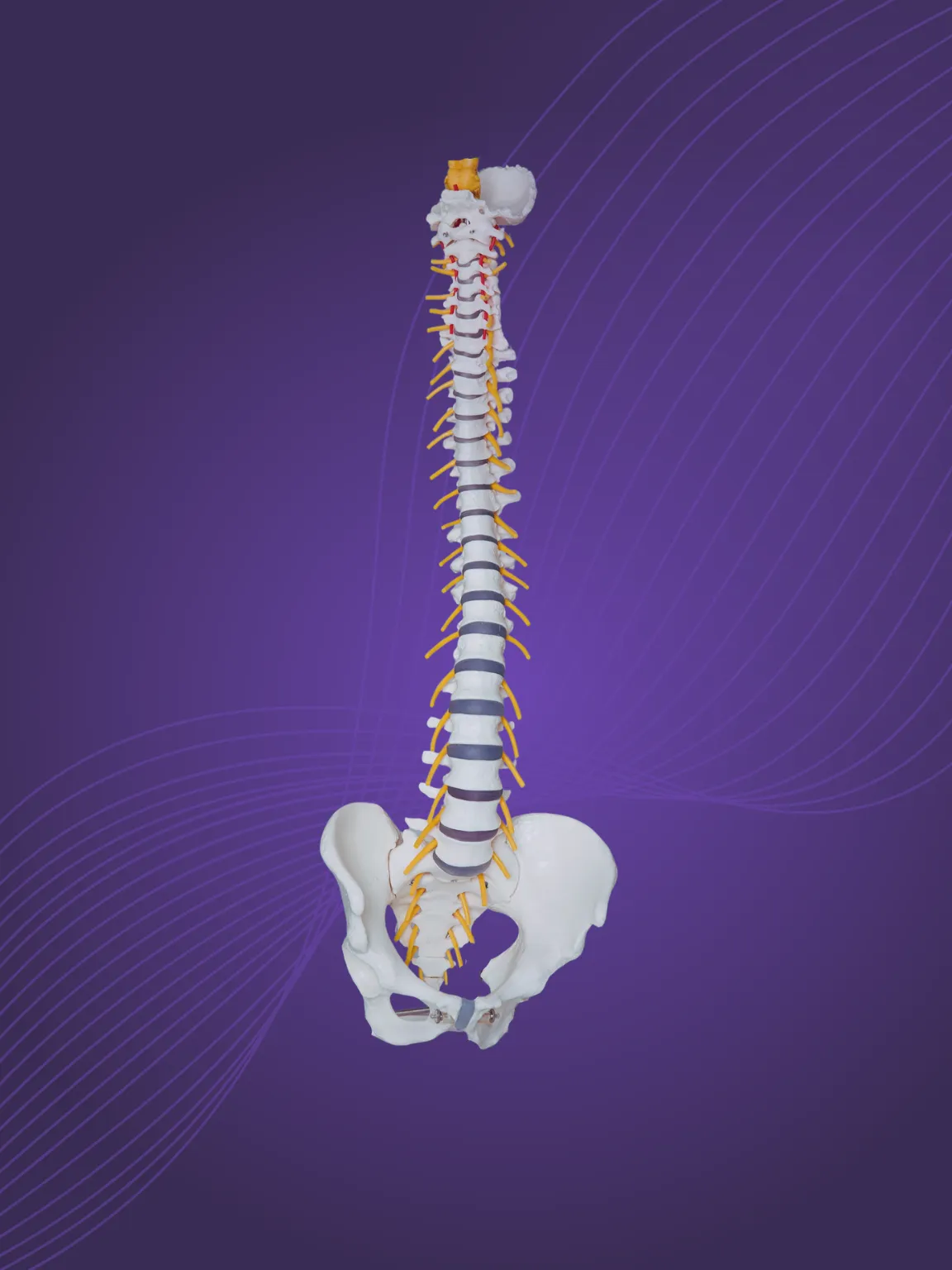
Treatment Routes for Whiplash
Resting for extended periods or wearing rigid collars is generally discouraged, as keeping the neck gently mobile aids faster recovery. Pain-relief or anti-inflammatory medications prescribed by your clinician, combined with short periods of ice or heat therapy, can help manage acute discomfort and swelling.
Working with Spine professionals and teams
Our spine specialists support professional athletes, sports teams, active individuals and people whose work places high demands on their spines. Working closely with radiologists, physiotherapists and the wider multidisciplinary team, they provide coordinated care from diagnosis through to rehabilitation, helping each person return safely to sport, work or everyday activities.
The same specialist expertise and collaborative approach are available to every patient, whatever your activity level or recovery goals.

Our Experts - Leaders in Spine treatment








How to pay
We offer flexible options depending on how you choose to access care at Fortius. Whichever option you choose, we’ll help make the process clear and straightforward from the start.
Private medical insurance
If your care is covered by private medical insurance, we’ll usually invoice your insurer directly. Please check your policy in advance and request an authorisation code if your insurer requires one. You’ll be responsible for paying any policy excess or costs that aren’t covered by your insurance.

Paying for yourself
You don’t need private medical insurance to access care at Fortius. If you’re paying for your own treatment, our team will explain the costs clearly and provide a personalised quote before you decide whether to go ahead.
Find a clinic near you
Fortius Clinic Marylebone
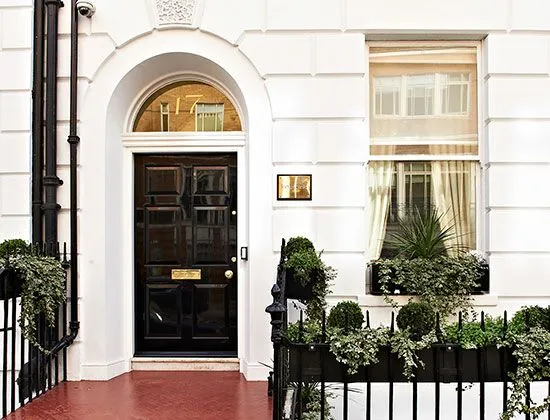
Our Marylebone Clinic is conveniently located in the historic area between Baker Street and Marylebone High Street, just off Manchester Square, home to the iconic Wallace Collection. We have seven consulting rooms, private waiting areas on each floor, well equipped treatment rooms and diagnostic imaging.
- 17 Fitzhardinge StreetW1H 6EQ
- 020 3195 2442
- Outpatient times are Monday to Friday from 8.00am to 8.00pm.
- MRI Scan
- Ultrasound
- X-Ray
- Physician services
- Rheumatology
Fortius Clinic City
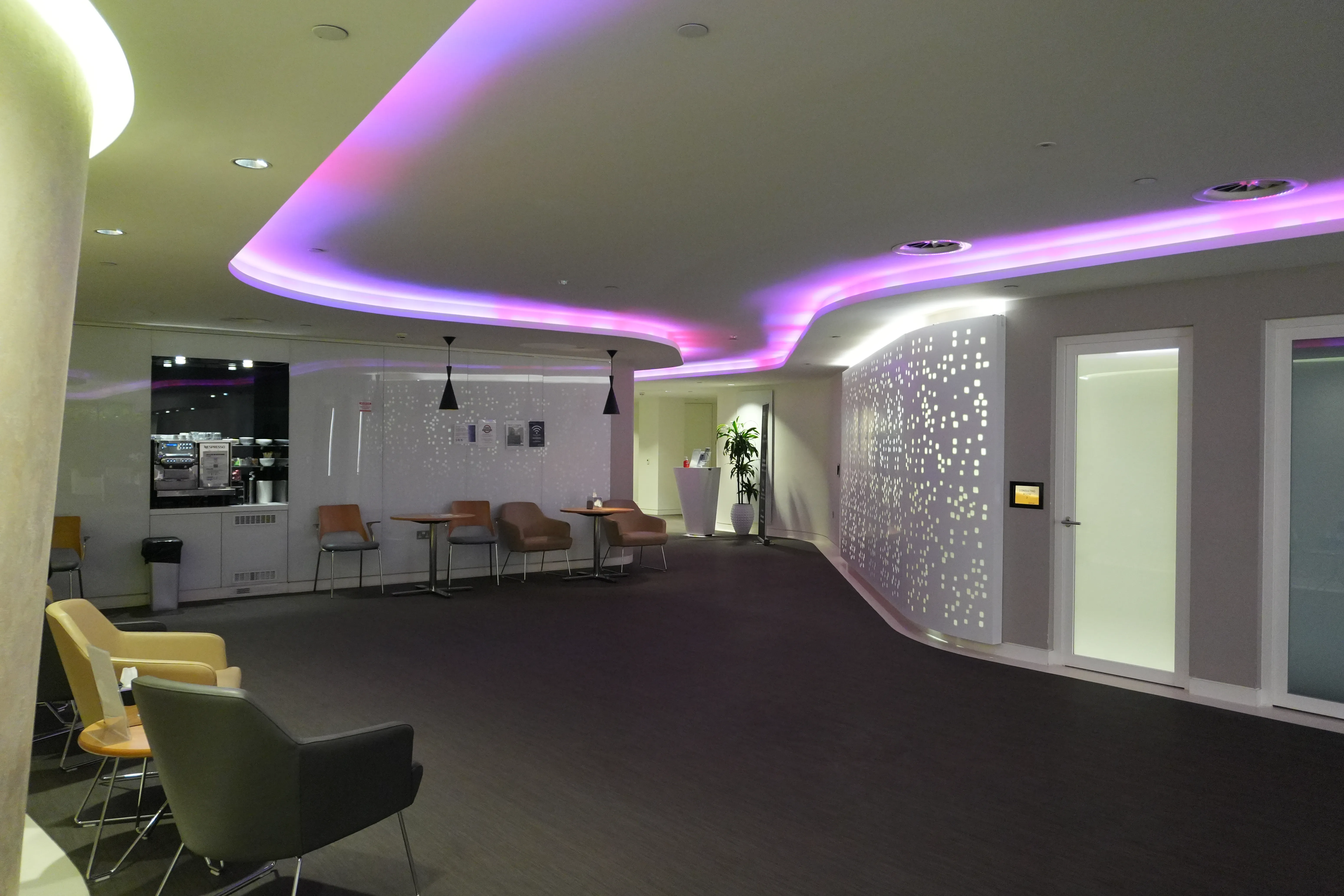
Our City Clinic is conveniently located between Bank and Monument stations, within the historic and financial heart of London. At our modern, two-floor facility we have nine consulting rooms, spacious waiting areas, well equipped treatment rooms and an imaging centre.
Explore our City Clinic with our virtual tour.
If you are travelling by Tube, our closest underground stations are Bank and Monument, exit 6 for King William Street.
Should you be travelling by car, the closest parking is a three minute drive away at NCP Car Park London Vintry Thames Exchange. If you are attending clinic on a weekday, please be aware that we are based in the congestion charge zone.
- 75 King William Street EC4N 7BE
- 0203 195 2442
- Outpatient times are Monday to Friday from 8.00am to 8.00pm.
- Snow Injuries Clinic
- Tendon Clinic
- Sports & Exercise Medicine
- MRI Scan
- Ultrasound
- X-Ray
- Physician services
- Rheumatology
Fortius Clinic London

Our 79,000 sq ft, seven-story, private hospital on Wigmore Street has 39 en-suite inpatient rooms, consultation and treatment rooms, and a physiotherapy suite.
The hospital has a high-spec imaging suite fully equipped with an MRI, CT scanner and X-ray machine. There are three state-of-the-art operating theatres, two anaesthetic rooms and a recovery bay.
Fortius Clinic London has two Mako robots for hip and knee joint replacements.
- 66 Wigmore Street W1U 2SB
- 0203 195 2442
- Outpatient times are Monday to Friday from 8.00am to 8.00pm.
- Sports & Exercise Medicine
- Snow Injuries Clinic
- Tendon Clinic
- MRI Scan
- Ultrasound
- X-Ray
- Physician services
- Rheumatology
- CT Scan
- Image guided injections
- Physiotherapy
- MAKO Robotic Joint Replacement
Fortius Clinic Wimbledon
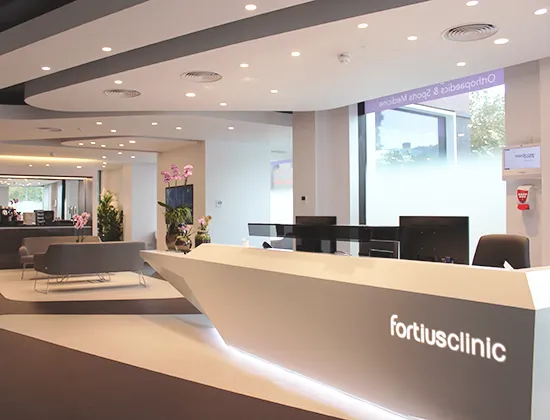
Our Wimbledon clinic houses a state-of-the-art imaging centre with a 3T MRI and X-ray scanners, Ultrasound, seven consulting rooms, two spacious waiting areas and well equipped treatment rooms all located on one level, ensuring easy accessibility for all patients.
Our partnership with Spire St Anthony’s Hospital allows us to provide orthopaedic surgery closer to our clinic. We treat a full range of conditions and perform joint replacement surgery using the latest Mako robotic assisted technology.
The building at 22 Worple Road has steps leading up to the front entrance. If you require assistance please inform us before your arrival by calling ahead on 020 3195 2442
- 22 Worple Road SW19 4DD
- 0203 195 2442
- Outpatient times are Monday to Friday from 8.00am to 8.00pm.
- Snow Injuries Clinic
- MRI Scan
- Ultrasound
- X-Ray
1 of 4