
Slipping rib syndrome
Overview of Slipping rib syndrome
What causes slipping rib syndrome?
Slipping rib syndrome, also known as clicking rib syndrome, painful rib syndrome, rib-tip syndrome, twelfth rib syndrome, or Cyriax syndrome, occurs when a lower rib moves more than it should. Many patients spend months or years investigated for gallbladder, stomach, or muscular issues, only to be told nothing is wrong. If this sounds familiar, it does not mean your pain is not real, it simply means the underlying cause has not yet been pinpointed.
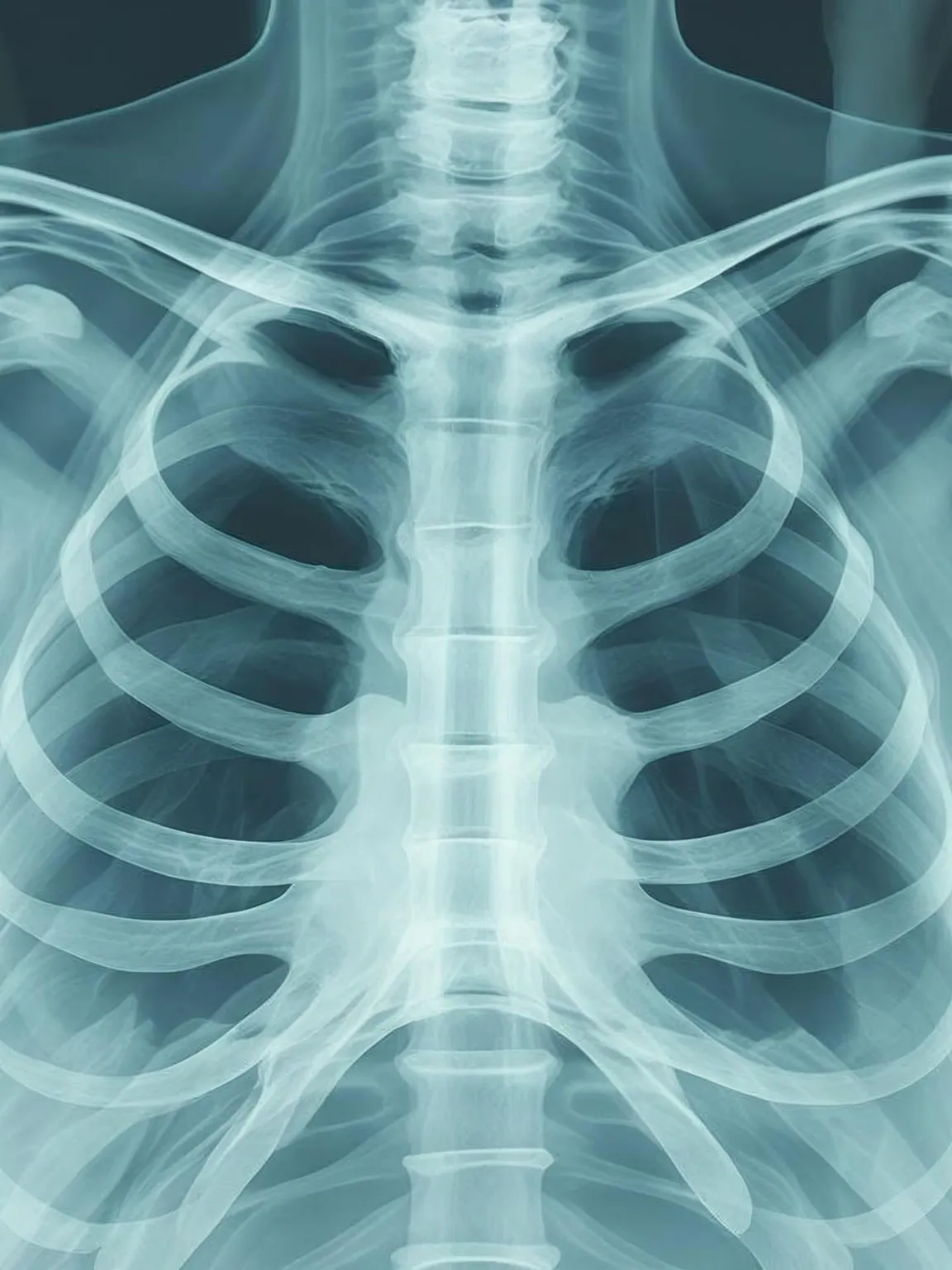
The front sections of the lower ribs are made from flexible cartilage. If the tissue holding this cartilage in place becomes loose or damaged, the tip of one rib can move underneath the rib above it. This can irritate the surrounding tissues and nerves, causing pain.
It most often affects the eighth, ninth or tenth rib. Possible causes include:
- A previous rib or chest injury
- Repeated twisting or upper-body movement
- Repetitive strain from sport or exercise
- Joint hypermobility
- Differences in the shape of the rib cage
In some people, there is no clear cause.
What are the symptoms of slipping rib syndrome?
You may notice:
- Sharp pain around the lower ribs or upper abdomen
- A dull ache after activity
- Clicking, popping or slipping sensations
- Pain when twisting or bending
- Pain when breathing deeply
- Pain when coughing or sneezing
- Symptoms that come and go
- Pain that improves with rest or changing position
The condition often affects one side of the body, although both sides can be involved.
How is slipping rib syndrome diagnosed?
Your consultant will ask when your symptoms started, which movements trigger them and whether you have experienced a previous chest injury.
They’ll examine your lower ribs and may gently move or press the area to see whether this reproduces your symptoms.
Dynamic ultrasound is the key investigation. Most patients arrive having had scans reported as normal, which is expected - CT and MRI are generally unhelpful in slipping rib syndrome, because the problem is movement rather than structure, and a still image does not capture movement. A normal scan does not mean nothing is wrong. Dynamic ultrasound images the rib tips while you move, and needs to be performed by a radiologist experienced in the condition and requested specifically.
Other tests may be used to rule out different causes of chest or abdominal pain.
How is slipping rib syndrome treated?
Treatment will depend on the severity of your symptoms and how much they affect your daily activities.
Many people begin with non-surgical treatment, including changes to activities, pain relief and physiotherapy. An injection may be considered if symptoms continue.
Surgery may be recommended if pain remains severe or keeps returning despite other treatment.
Treatment routes for Slipping Rib Syndrome
The right approach will depend on how often you experience pain and how it affects your movement, work or exercise.
Your personalised treatment plan may include:
- Temporarily avoiding movements that trigger your symptoms
- Rest and gradual return to activity
- Pain relief or anti-inflammatory medicine, where appropriate
- Physiotherapy and gentle strengthening exercises
- Guidance on posture and movement
- A local anaesthetic or steroid injection
An injection may help reduce pain and can sometimes help confirm which rib is causing your symptoms.
Recovery goals after treatment for slipping rib syndrome
Phase 1 goals:
Reduce pain and irritation Avoid movements that trigger slipping Maintain comfortable breathing Continue gentle activity as advised
Phase 2 goals:
Restore comfortable upper-body movement Improve control through your trunk Rebuild strength gradually Return to light everyday activities
Phase 3 goals:
Continue building strength and confidence Return to work, exercise and hobbies Restore movements needed for sport Return to higher-impact activity when advised
Working with professionals and teams
Our consultants support professional athletes, sports teams and active individuals with the assessment and treatment of chest wall injuries. Working closely with physiotherapists, strength and conditioning specialists and the wider care team, they develop personalised treatment plans that support a safe return to sport or everyday activities.
The same specialist expertise and collaborative approach are available to every patient, whatever your activity level or goals.

Our Experts - Leaders in Chest treatment

How to pay
We offer flexible options depending on how you choose to access care at Fortius. Whichever option you choose, we’ll help make the process clear and straightforward from the start.

Private medical insurance
If your care is covered by private medical insurance, we’ll usually invoice your insurer directly. Please check your policy in advance and request an authorisation code if your insurer requires one. You’ll be responsible for paying any policy excess or costs that aren’t covered by your insurance.

Paying for yourself
You don’t need private medical insurance to access care at Fortius. If you’re paying for your own treatment, our team will explain the costs clearly and provide a personalised quote before you decide whether to go ahead.