
Rib injuries
Overview of rib injuries
What causes a rib injury?
Your ribs form a protective cage around your heart and lungs. You have 12 pairs of ribs, which connect to your spine at the back. Most also connect directly or indirectly to your breastbone at the front.
A rib can be bruised or broken by:
- A direct blow to the chest
- A fall
- A road traffic collision
- A sporting injury
- Severe or repeated coughing
- Repeated strain such as during a cough, a sneeze or an ordinary twist , particularly if the bones are weakened
A severe bruise can cause pain similar to a broken rib. The treatment for uncomplicated bruised and broken ribs is often similar.
What are the symptoms of a rib injury?
You may notice:
- Pain around the injured rib
- Pain when breathing deeply
- Pain when coughing, sneezing or laughing
- Pain when twisting or moving
- Tenderness, swelling or bruising
- Difficulty taking a full breath because of pain
- A cracking or grating feeling
- Fever with a productive cough
Seek urgent medical help if your breathing becomes more difficult, your chest pain is getting worse, you cough up blood or you develop pain in your abdomen or shoulder following an injury.
How are rib injuries diagnosed?
Your consultant will ask how the injury happened and examine your chest carefully. They’ll check for pain, tenderness, bruising and any signs that your breathing has been affected.
Many straightforward rib injuries can be diagnosed through an examination and do not always need an X-ray. A chest X-ray also misses a proportion of rib fractures, so a normal X-ray does not rule one out.
An ultrasound or CT scan may be recommended if your consultant needs to understand the extent of the injury or check whether a rib has moved out of place. They’ll explain why any scan is needed and what the results show.
How are rib injuries treated?
Most bruised or broken ribs heal without surgery.
Treatment usually focuses on controlling pain so you can breathe deeply, cough and keep moving. This is important because shallow breathing can increase the risk of a chest infection.
Surgery may be considered if several ribs are badly broken, a rib has moved out of place or the injury hasn’t healed properly. A broken rib, like any bone, can fail to heal. Where healing has not happened by six months this is called non-union; where the bone has healed but in the wrong position it is called mal-union. Both cause a deep, aching pain with tenderness and sometimes swelling over the site, and both are treatable. Pain that is still limiting you three months after the injury should be assessed rather than endured.
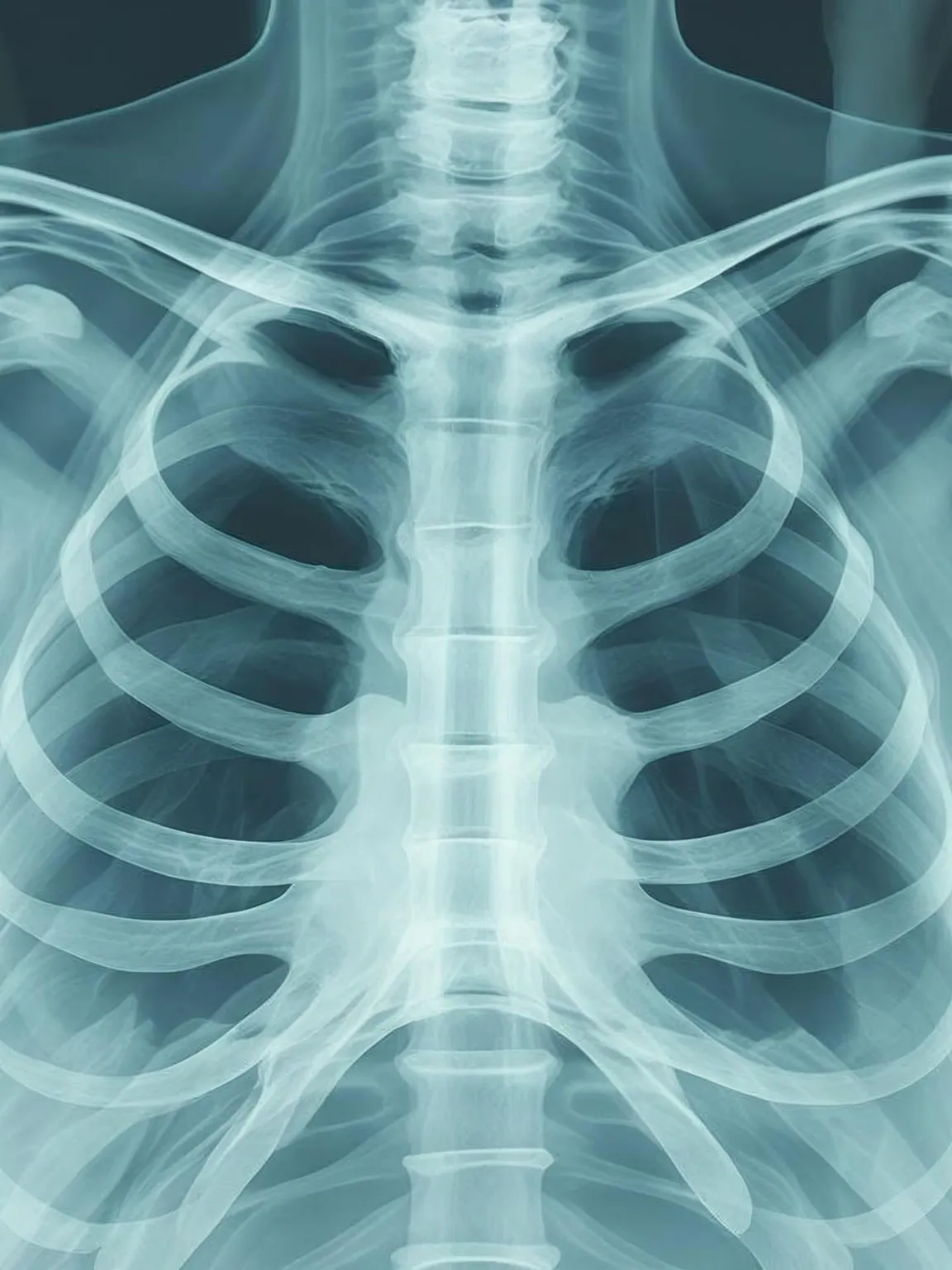
Treatment routes for rib injuries
The right treatment will depend on the severity of your injury, whether the ribs remain stable and how your breathing and movement are affected.
Your treatment plan may include:
- Suitable pain relief
- Regular deep-breathing exercises
- Supporting your chest when you need to cough
- Gentle movement and short walks
- Temporarily avoiding heavy lifting and strenuous exercise
- A gradual programme to restore movement and strength
Your care team will help you balance protecting the injury with staying active enough to support your breathing and recovery.
Your chest should not be tightly strapped or bandaged, as this can make it harder to breathe deeply.
Recovery goals after a rib injury
Phase 1 goals:
Manage pain Maintain deep, comfortable breathing Cough safely and effectively Keep moving gently Protect the injured area
Phase 2 goals:
Gradually reduce pain Improve upper-body movement Return to light daily activities Begin rebuilding strength Increase walking and gentle exercise
Phase 3 goals:
Continue building strength and confidence Return to physically demanding work gradually Resume exercise at a manageable pace Return to contact activities when your care team confirms it is safe
Working with professionals and teams
Our consultants support professional athletes, sports teams and active individuals with the assessment and treatment of chest wall injuries. Working closely with physiotherapists, strength and conditioning specialists and the wider care team, they develop personalised treatment plans that support a safe return to sport or everyday activities.
The same specialist expertise and collaborative approach are available to every patient, whatever your activity level or goals.

Our Experts - Leaders in Chest treatment

How to pay
We offer flexible options depending on how you choose to access care at Fortius. Whichever option you choose, we’ll help make the process clear and straightforward from the start.

Private medical insurance
If your care is covered by private medical insurance, we’ll usually invoice your insurer directly. Please check your policy in advance and request an authorisation code if your insurer requires one. You’ll be responsible for paying any policy excess or costs that aren’t covered by your insurance.

Paying for yourself
You don’t need private medical insurance to access care at Fortius. If you’re paying for your own treatment, our team will explain the costs clearly and provide a personalised quote before you decide whether to go ahead.