
Humeral shaft fracture
A humeral shaft is a common fracture that occurs in the middle of the upper arm bone (the humerus). This may cause significant pain and make it difficult moving your arms, affecting your day to day activities.
What is a humeral shaft fracture?
A humeral shaft fracture is a break in the middle section of the humerus, the long bone that runs between your shoulder and elbow. These fractures are usually caused by a significant injury, such as a direct blow to the arm or a fall onto an outstretched arm when the elbow is locked. The severity of the fracture can vary, from a small crack in the bone to a more complex injury where the bone fragments have moved out of position. It is important to have a prompt assessment by a consultant as these injuries can sometimes affect nearby nerves or blood vessels, causing altered sensation and difficulty picking and carrying things.
What are the symptoms?
Symptoms can vary depending on the severity of the fracture but may include:
- Pain in the upper arm
- Swelling
- Weakness
- Difficulty moving the arm
- A visible deformity of the upper arm
- Bruising around the injury
How is it diagnosed?
Your consultant will begin by talking with you about how the injury happened and how your symptoms are affecting you. They'll then examine your arm, checking the position of the fracture as well as the function of the surrounding nerves and blood vessels.
To understand the full extent of your injury, we may recommend:
- A detailed medical history
- Physical examination
- Assessment of movement where appropriate
- Checks of circulation and nerve function
- X-rays to confirm the fracture
- CT scans where further assessment of the fracture is needed
How is it treated?
Your treatment will depend on the type of fracture, whether the bone remains in position and whether there are any associated injuries. Our consultants will explain your options clearly and work with you to recommend the approach that's right for you.
Treatment may include:
- A splint and sling to support your arm while it begins to heal
- Pain relief to help keep you comfortable during your recovery
- Physiotherapy to restore movement, strength and function
- Surgery where the fracture is unstable, displaced or associated with nerve, blood vessel or joint injuries
- Some injuries require urgent surgical treatment, particularly if the fracture is associated with an elbow dislocation or damage to nearby nerves or blood vessels.
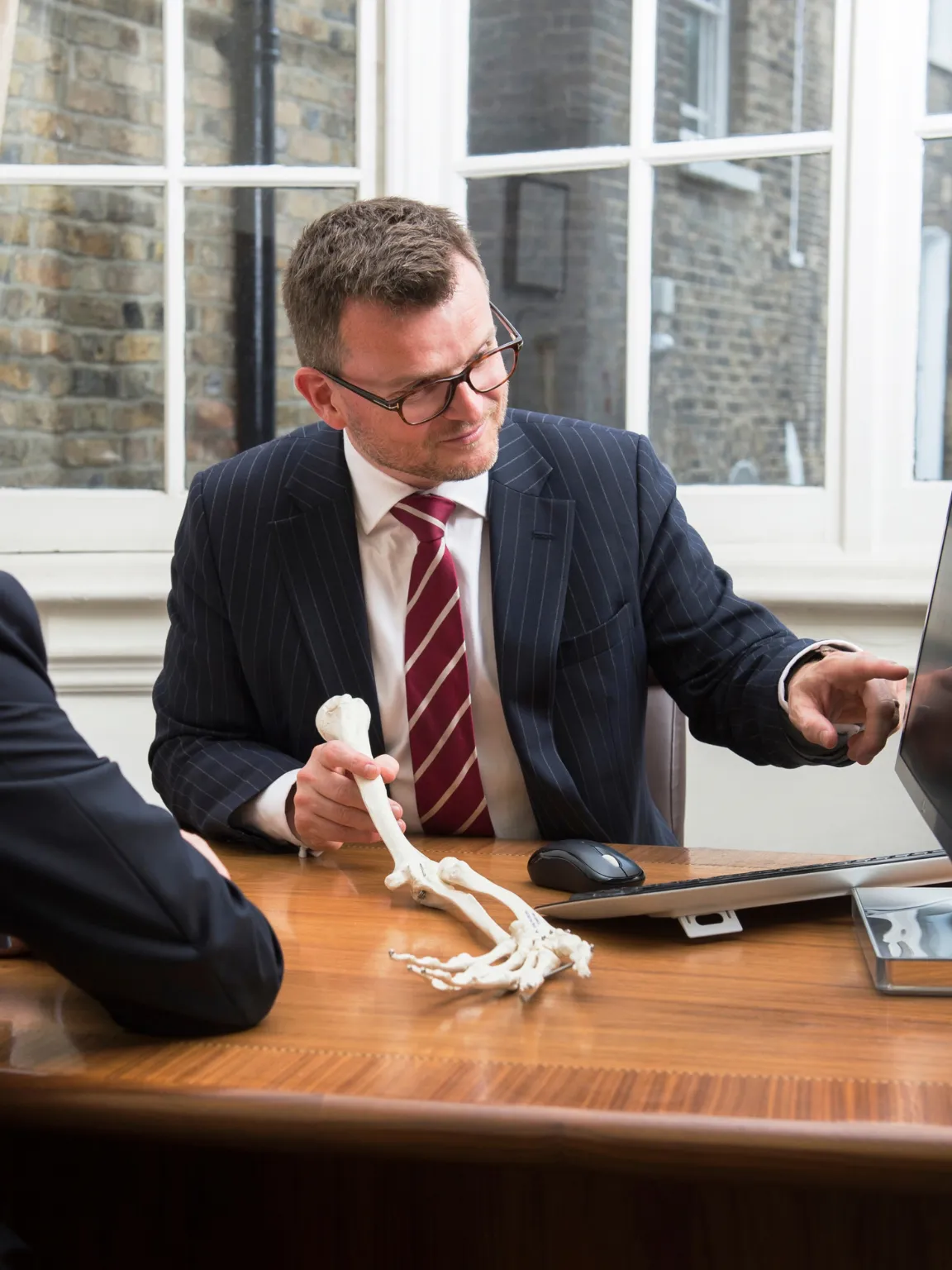
Treatment routes for humeral shaft fracture
Many humeral shaft fractures can be treated successfully without surgery.
This is often suitable if the fracture is stable and the bones remain in good alignment. Treatment usually involves a short period of immobilisation in a splint and sling, followed by a personalised physiotherapy programme to help restore movement, strength and confidence.
The aim is to allow the bone to heal naturally while helping you return safely to your usual activities.
Recovery goals after humeral shaft fracture
Recovery initially focuses on:
Reducing pain and swelling Protecting the fracture while it heals Maintaining gentle movement where appropriate Preventing stiffness
As healing progresses, rehabilitation aims to:
Restore movement in the shoulder and elbow Improve strength and control Increase confidence using the arm Return to normal daily activities
The final stage of rehabilitation focuses on:
Building strength for work, sport or recreation Improving function and coordination Returning safely to higher levels of activity where appropriate Reducing the risk of further injury
Working with elbow professionals and teams
Our elbow specialists support professional athletes, sports teams, active individuals and people whose work places high demands on their elbows. Working closely with radiologists, physiotherapists and the wider multidisciplinary team, they provide coordinated care from diagnosis through to rehabilitation, helping each person return safely to sport, work or everyday activities.
The same specialist expertise and collaborative approach are available to every patient, whatever your activity level or recovery goals.

Our Experts - Leaders in Elbow treatment









How to pay
We offer flexible options depending on how you choose to access care at Fortius. Whichever option you choose, we’ll help make the process clear and straightforward from the start.

Private medical insurance
If your care is covered by private medical insurance, we’ll usually invoice your insurer directly. Please check your policy in advance and request an authorisation code if your insurer requires one. You’ll be responsible for paying any policy excess or costs that aren’t covered by your insurance.

Paying for yourself
You don’t need private medical insurance to access care at Fortius. If you’re paying for your own treatment, our team will explain the costs clearly and provide a personalised quote before you decide whether to go ahead.
Find a clinic near you
Fortius Clinic City
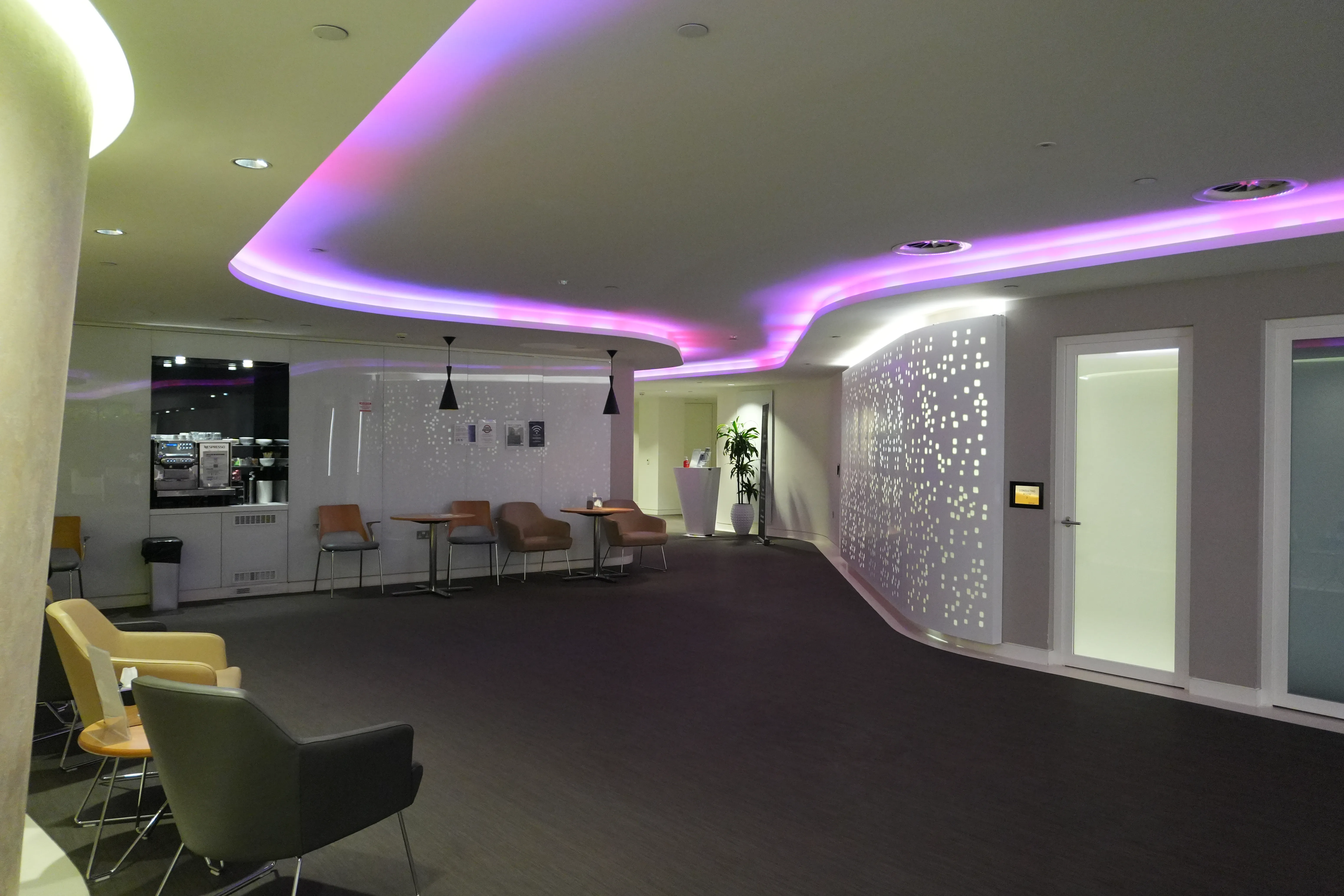
Our City Clinic is conveniently located between Bank and Monument stations, within the historic and financial heart of London. At our modern, two-floor facility we have nine consulting rooms, spacious waiting areas, well equipped treatment rooms and an imaging centre.
Explore our City Clinic with our virtual tour.
If you are travelling by Tube, our closest underground stations are Bank and Monument, exit 6 for King William Street.
Should you be travelling by car, the closest parking is a three minute drive away at NCP Car Park London Vintry Thames Exchange. If you are attending clinic on a weekday, please be aware that we are based in the congestion charge zone.
- 75 King William Street EC4N 7BE
- 0203 195 2442
- Outpatient times are Monday to Friday from 8.00am to 8.00pm.
- Snow Injuries Clinic
- Tendon Clinic
- Sports & Exercise Medicine
- MRI Scan
- Ultrasound
- X-Ray
- Physician services
- Rheumatology
Fortius Clinic Marylebone

Our Marylebone Clinic is conveniently located in the historic area between Baker Street and Marylebone High Street, just off Manchester Square, home to the iconic Wallace Collection. We have seven consulting rooms, private waiting areas on each floor, well equipped treatment rooms and diagnostic imaging.
- 17 Fitzhardinge StreetW1H 6EQ
- 020 3195 2442
- Outpatient times are Monday to Friday from 8.00am to 8.00pm.
- MRI Scan
- Ultrasound
- X-Ray
- Physician services
- Rheumatology
Fortius Clinic London

Our 79,000 sq ft, seven-story, private hospital on Wigmore Street has 39 en-suite inpatient rooms, consultation and treatment rooms, and a physiotherapy suite.
The hospital has a high-spec imaging suite fully equipped with an MRI, CT scanner and X-ray machine. There are three state-of-the-art operating theatres, two anaesthetic rooms and a recovery bay.
Fortius Clinic London has two Mako robots for hip and knee joint replacements.
- 66 Wigmore Street W1U 2SB
- 0203 195 2442
- Outpatient times are Monday to Friday from 8.00am to 8.00pm.
- Sports & Exercise Medicine
- Snow Injuries Clinic
- Tendon Clinic
- MRI Scan
- Ultrasound
- X-Ray
- Physician services
- Rheumatology
- CT Scan
- Image guided injections
- Physiotherapy
- MAKO Robotic Joint Replacement
Fortius Clinic Wimbledon
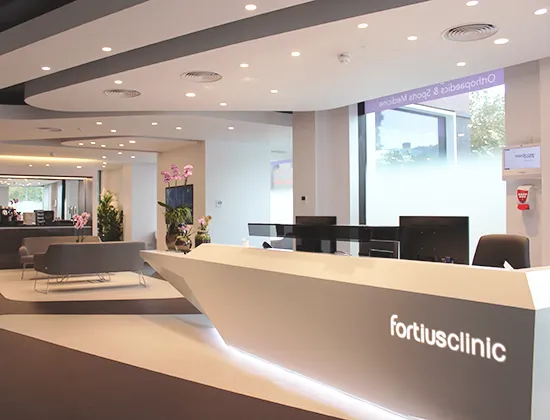
Our Wimbledon clinic houses a state-of-the-art imaging centre with a 3T MRI and X-ray scanners, Ultrasound, seven consulting rooms, two spacious waiting areas and well equipped treatment rooms all located on one level, ensuring easy accessibility for all patients.
Our partnership with Spire St Anthony’s Hospital allows us to provide orthopaedic surgery closer to our clinic. We treat a full range of conditions and perform joint replacement surgery using the latest Mako robotic assisted technology.
The building at 22 Worple Road has steps leading up to the front entrance. If you require assistance please inform us before your arrival by calling ahead on 020 3195 2442
- 22 Worple Road SW19 4DD
- 0203 195 2442
- Outpatient times are Monday to Friday from 8.00am to 8.00pm.
- Snow Injuries Clinic
- MRI Scan
- Ultrasound
- X-Ray
1 of 4