
Ultrasound guided injections
Ultrasound guided injections at Fortius Clinic provide targeted treatment for joint and soft tissue pain, helping reduce inflammation and support movement.
Specialist expertise
Our clinicians use ultrasound imaging to guide injections into the area being treated, helping them target the source of your symptoms.
Personalised care
Your specialist will assess your symptoms, explain the purpose of the injection and discuss how it fits into your wider treatment and rehabilitation.
Flexible access to care
Whether you are paying for yourself or using private medical insurance, our team can explain the referral requirements and help you arrange an appointment.
Ultrasound guided injections overview
What are ultrasound guided injections?
Ultrasound guided injections use real-time imaging to help a clinician place a needle accurately within a joint or around a soft tissue structure.
Depending on your condition, an injection may help reduce pain and inflammation or provide information about where your pain is coming from. Ultrasound uses sound waves to create images and does not involve ionising radiation.
A commonly used injection contains a corticosteroid to reduce inflammation, sometimes combined with local anaesthetic for temporary pain relief. Your specialist will explain which medicine is recommended and why.
What symptoms can they help with?
Your specialist may consider an injection for:
- Pain and inflammation associated with arthritis
- Selected tendon or surrounding soft tissue conditions
- Symptoms that restrict movement or everyday activities
- Pain that needs further assessment to help identify its source
An injection is not suitable for every condition. Your specialist will assess whether it is appropriate and discuss other options where needed.
How is the cause of pain diagnosed?
Your consultant will ask about your symptoms, medical history and previous treatment, then examine the affected area.
An ultrasound scan can help assess joints and soft tissues and guide an injection if appropriate. Other investigations may be needed depending on your symptoms.
For some patients, the response to a local anaesthetic injection can help the referring specialist understand which structure is contributing to their pain.
How is treatment carried out?
Before your appointment, follow the instructions provided and tell the team about allergies, diabetes, infection and medication, particularly blood thinning medicines. Do not stop prescribed medication unless your clinical team advises you to.
During the procedure:
- The clinician examines the area with an ultrasound probe
- The skin is cleaned to reduce the risk of infection
- Local anaesthetic may be used to numb the area
- A fine needle is guided into position using the ultrasound image
- The recommended medicine is injected and a small dressing applied
- You may feel a sting or some pressure. Tell your clinician if you are uncomfortable.
The procedure usually takes around 15 minutes, although the time needed for your appointment may vary.
Possible risks include infection, bleeding, an allergic reaction and temporary worsening of pain. Steroid injections may also cause skin changes or temporarily raise blood glucose levels. Injections around tendons carry a small risk of tendon damage. Your clinician will discuss the risks relevant to your treatment.
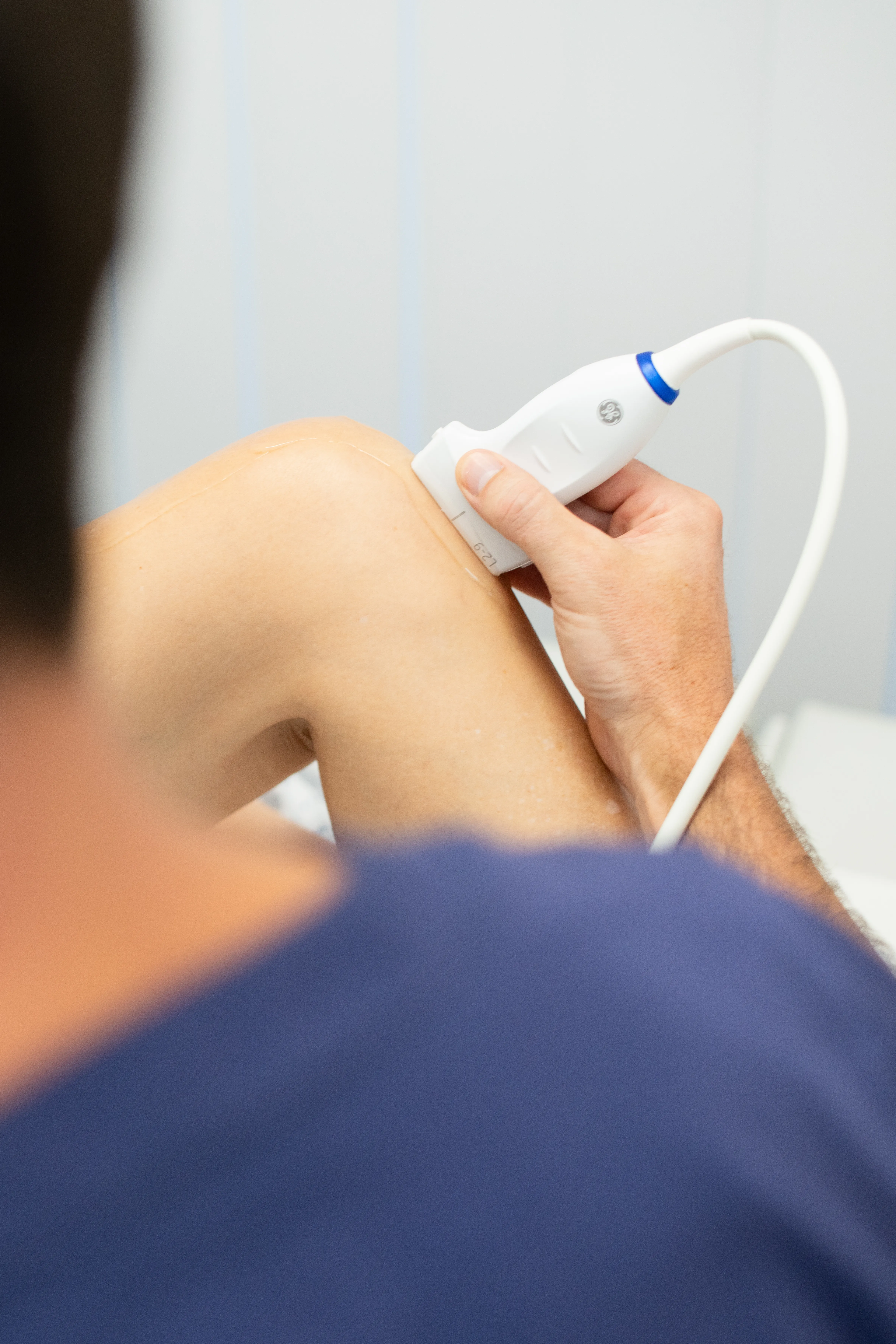
Treatment routes using ultrasound guidance
Pain relief and inflammation management
A corticosteroid injection may help reduce inflammation and discomfort in a joint or surrounding soft tissues. Relief varies between individuals, and an injection may form one part of a broader treatment plan.
Recovery goals after ultrasound guided injections
Early recovery
Your initial recovery focuses on: - Following the aftercare instructions provided by your clinician - Keeping the dressing clean and dry as advised - Reducing strenuous use of the treated area for the recommended period - Arranging transport home and following advice about driving The treated area may feel sore for a few days. If local anaesthetic is used, its effect is temporary and pain may return as it wears off. Seek urgent medical advice if you develop increasing pain, redness, warmth or swelling, particularly with a fever or feeling unwell
Gradually restoring activity
As symptoms settle, your recovery may involve: Returning gradually to everyday activities Following any prescribed exercises or physiotherapy Avoiding heavy lifting or repetitive strain until advised Monitoring your response and completing a pain diary if requested If you have diabetes and receive a steroid injection, follow the clinical team's advice about monitoring your blood glucose.
Returning to the activities you enjoy
The aim is to help you move more comfortably and take part in activities that matter to you. Your specialist will advise when to return to work, exercise and sport. The level and duration of pain relief vary, and some people may not experience a meaningful improvement. Your referring clinician can review your response and discuss the next steps.
Coordinated care for pain and movement
Your care may involve a consultant radiologist, a sport and exercise medicine specialist, another treating consultant and a physiotherapist.
Your injection can be considered alongside rehabilitation and other treatment options, with advice tailored to the condition being treated and your recovery goals.
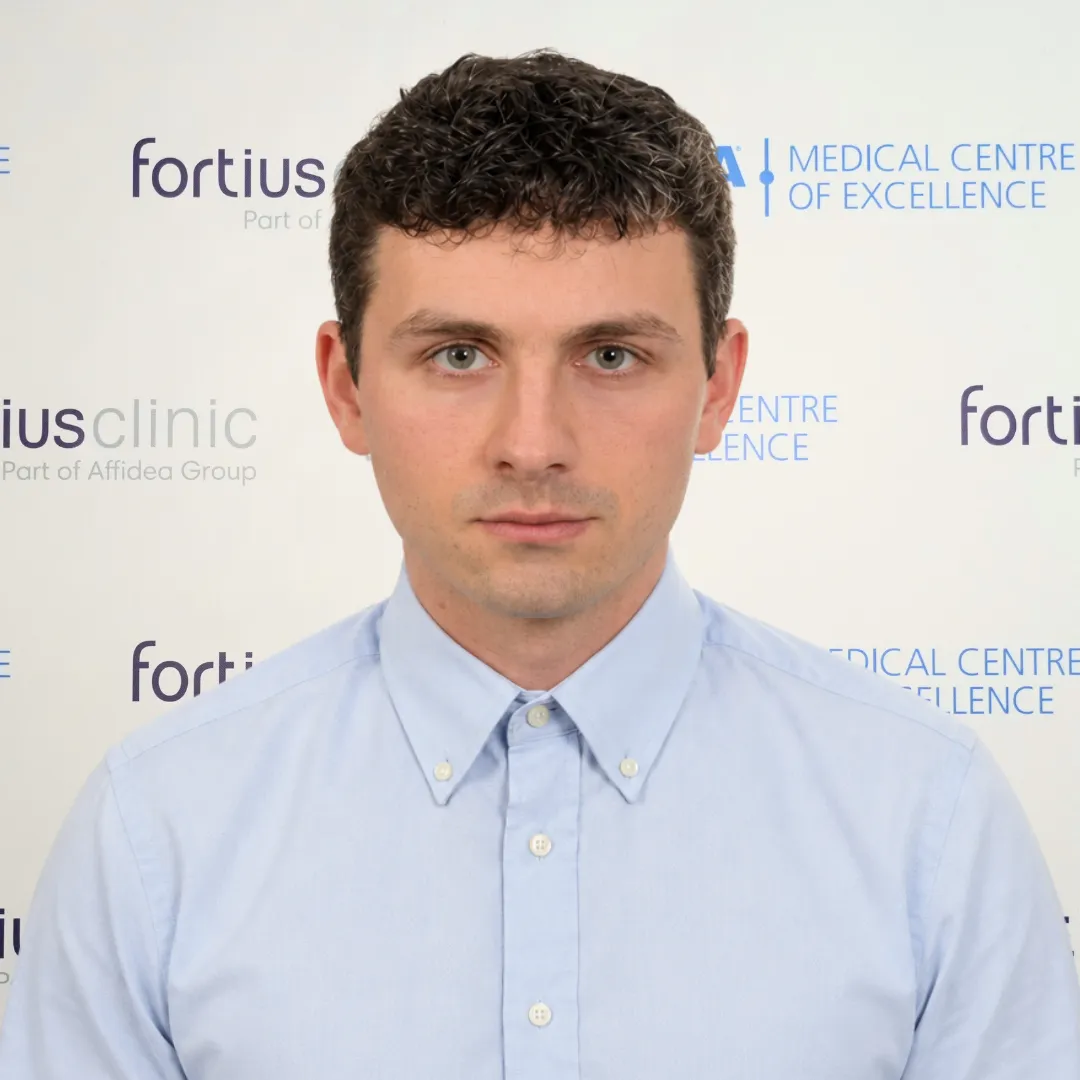
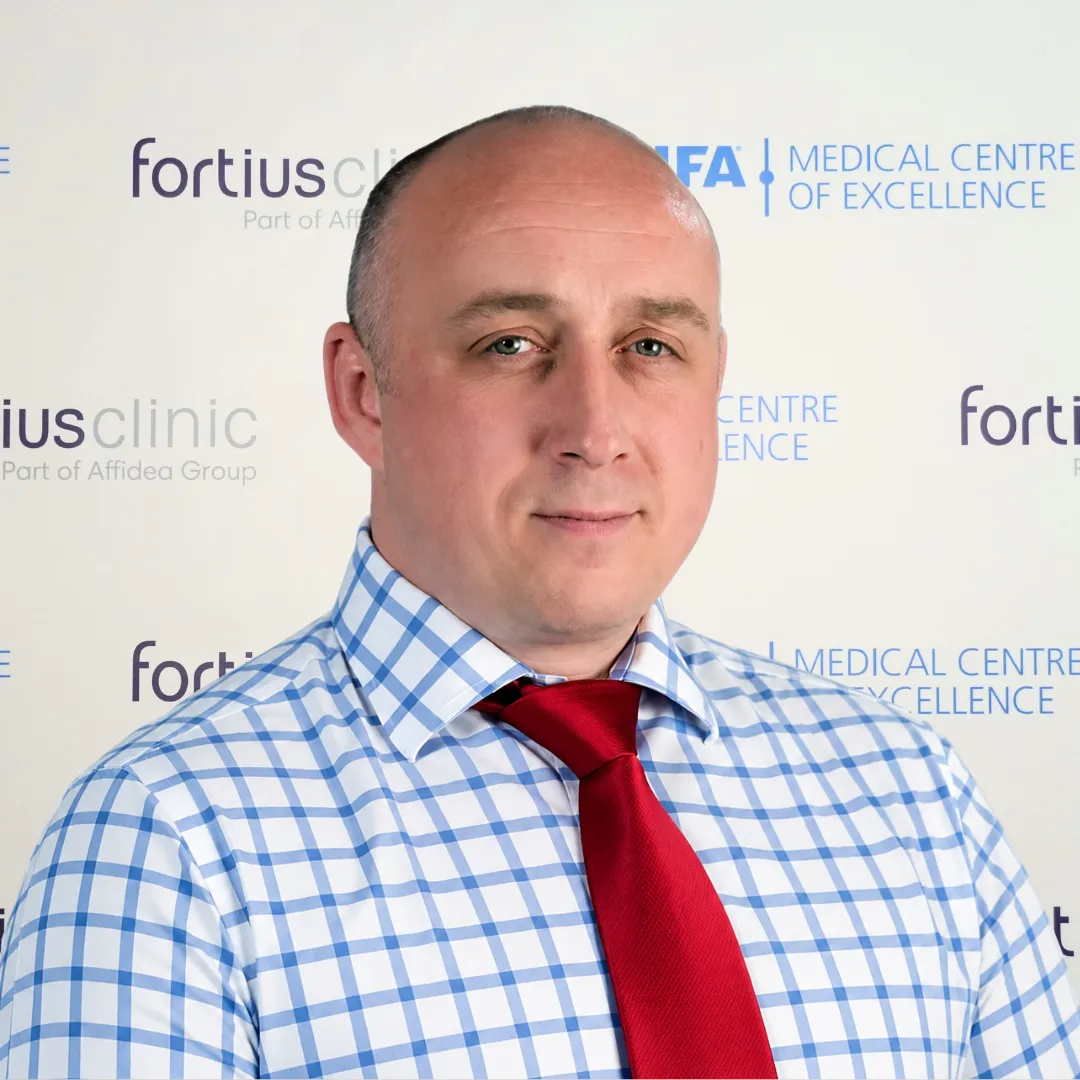
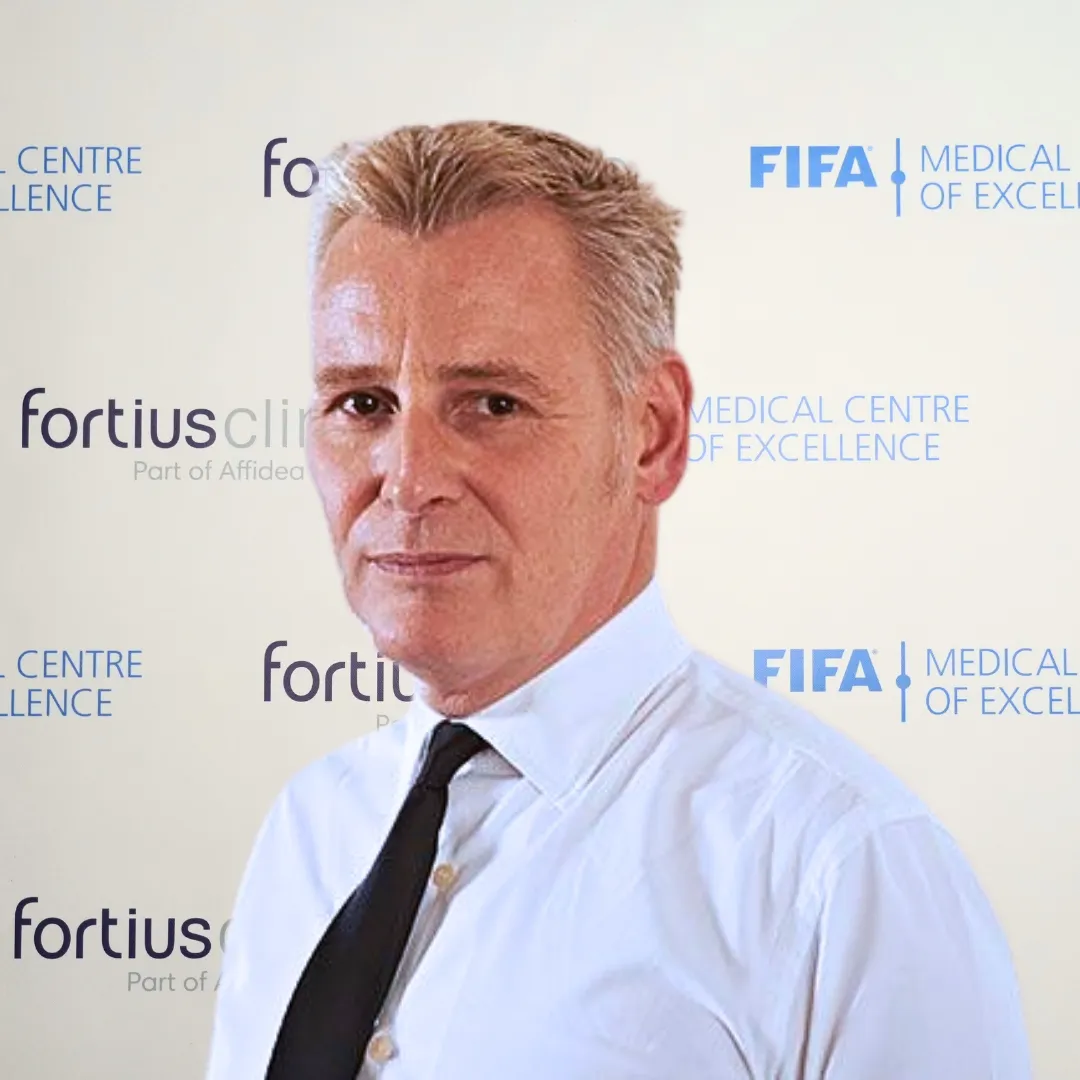
Our Experts - Our Leaders in Radiology












How to pay
We offer flexible options depending on how you choose to access care at Fortius. Whichever option you choose, we’ll help make the process clear and straightforward from the start.

Private medical insurance
If your care is covered by private medical insurance, we’ll usually invoice your insurer directly. Please check your policy in advance and request an authorisation code if your insurer requires one. You’ll be responsible for paying any policy excess or costs that aren’t covered by your insurance.

Paying for yourself
You don’t need private medical insurance to access care at Fortius. If you’re paying for your own treatment, our team will explain the costs clearly and provide a personalised quote before you decide whether to go ahead.