
Hydrodilatation
Frozen shoulder can cause persistent pain and stiffness, making everyday movements such as getting dressed, reaching or lifting your arm more difficult.
Specialist expertise
Our shoulder specialists and consultant radiologists assess your symptoms and use imaging guidance to deliver treatment accurately into the shoulder joint.
Personalised care
We take the time to understand how shoulder pain and stiffness affect your life, explain your treatment options and help you plan the next steps in your recovery.
Flexible access to care
Whether you are paying for yourself or using private medical insurance, our team can explain how to arrange an appointment and what you need before treatment.
What is hydrodilatation?
Hydrodilatation is an injection procedure used to treat adhesive capsulitis, commonly known as frozen shoulder. It aims to reduce pain and improve movement by stretching the tight capsule surrounding the shoulder joint. A consultant radiologist uses ultrasound or X-ray guidance to position a needle within the joint. Fluid, usually containing sterile saline, local anaesthetic and a steroid, is then injected to stretch the capsule and help reduce inflammation. Your specialist may recommend hydrodilatation if pain and restricted movement have not improved sufficiently with other treatments.
What are the symptoms?
Frozen shoulder can cause:
- Shoulder pain that may be worse at night and disturb sleep
- Stiffness and a reduced range of movement
- Difficulty raising your arm or reaching behind your back
- Discomfort when dressing, washing or carrying out everyday activities
- If shoulder pain and stiffness are affecting your daily life, a specialist assessment can help identify the cause and appropriate treatment.
How is it diagnosed?
Your consultant will ask about your symptoms, medical history and any treatment you have already tried. They will examine your shoulder and assess its movement.
Frozen shoulder is usually diagnosed through your symptoms and examination. Imaging may be recommended to check for other causes of shoulder pain or stiffness.
How is it treated?
Your consultant will discuss the available options and recommend an approach based on your symptoms, shoulder movement and recovery goals.
If hydrodilatation is recommended, the procedure involves:
- Cleaning the skin and using local anaesthetic to numb the area
- Guiding a fine needle into the shoulder joint using ultrasound or X-ray
- Using a small amount of contrast to check the needle position where required for X-ray guidance
- Injecting fluid to stretch the joint capsule
- Removing the needle and applying a small dressing
- You may feel pressure or discomfort as the fluid is injected. Tell your radiologist how you are feeling throughout the procedure.
- Possible risks include bleeding, infection, an allergic reaction and a temporary increase in pain. Your radiologist will explain these before treatment.
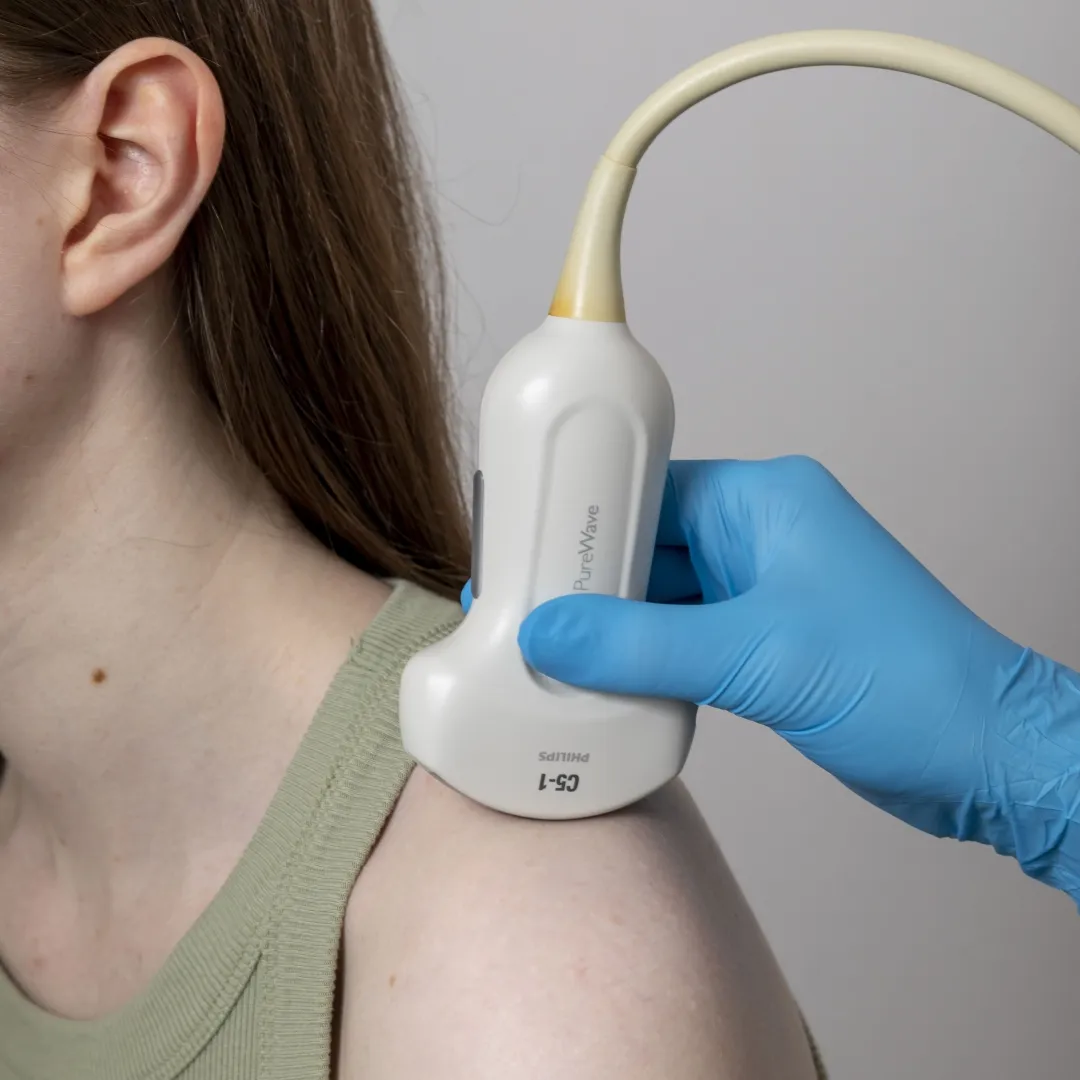
Treatment routes for frozen shoulder
Hydrodilatation aims to improve shoulder movement and reduce pain by stretching the joint capsule with an imaging guided injection. It is usually combined with exercises and physiotherapy to support recovery.
Recovery from a frozen shoulder
Immediate movement and pain control
Following keyhole surgery, early movement is key to prevent new scar tissue from forming. Focus on gentle range-of-motion exercises as directed by your physiotherapist. Dressings should be kept clean and dry, with stitches usually checked or removed around 10 to 14 days.
Restoring range of motion
Rehabilitation shifts toward progressive stretching exercises to regain overhead reach and rotation. You will gradually increase daily use of the arm for light household activities.
Strengthening and full recovery
As full mobility returns, targeted strengthening exercises for the rotator cuff and shoulder girdle muscles are introduced. Most patients regain functional movement within 6 to 12 weeks post-surgery.
Coordinated care for your shoulder
Your treatment may involve a shoulder specialist, consultant radiologist and physiotherapist, each supporting a different part of your care.
From assessing your symptoms and delivering your injection to guiding your rehabilitation, the aim is to help you understand your treatment and work towards the activities that matter to you.

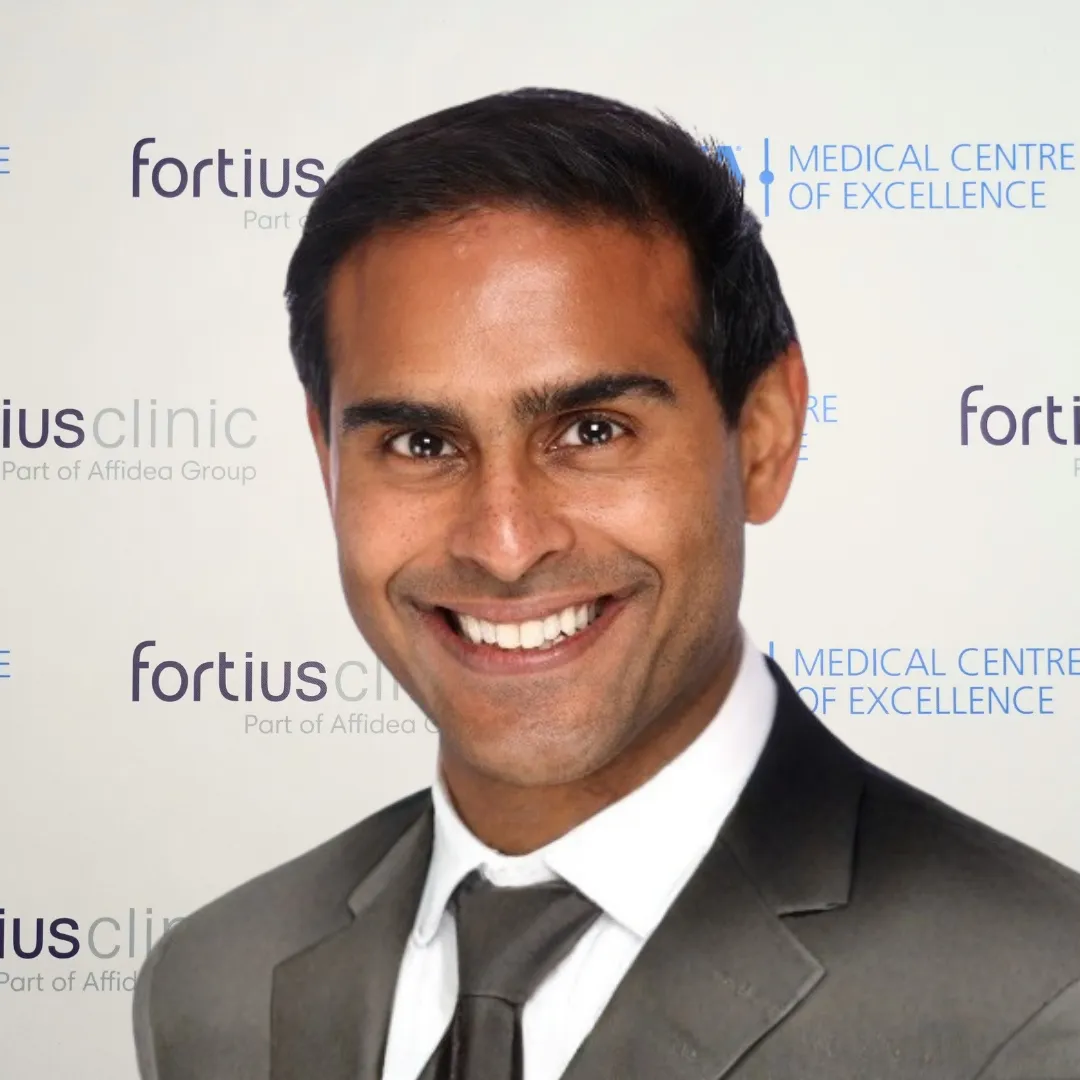
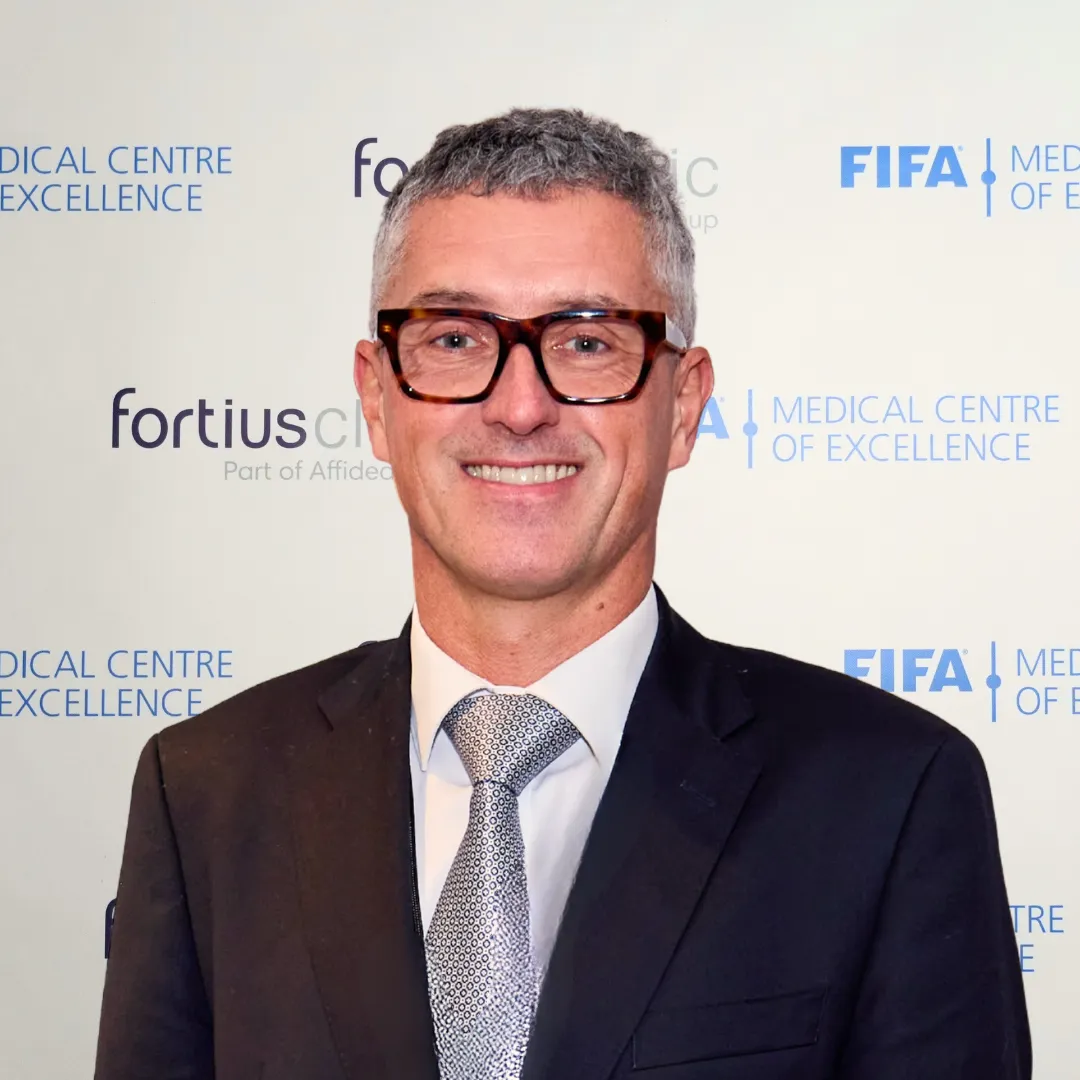
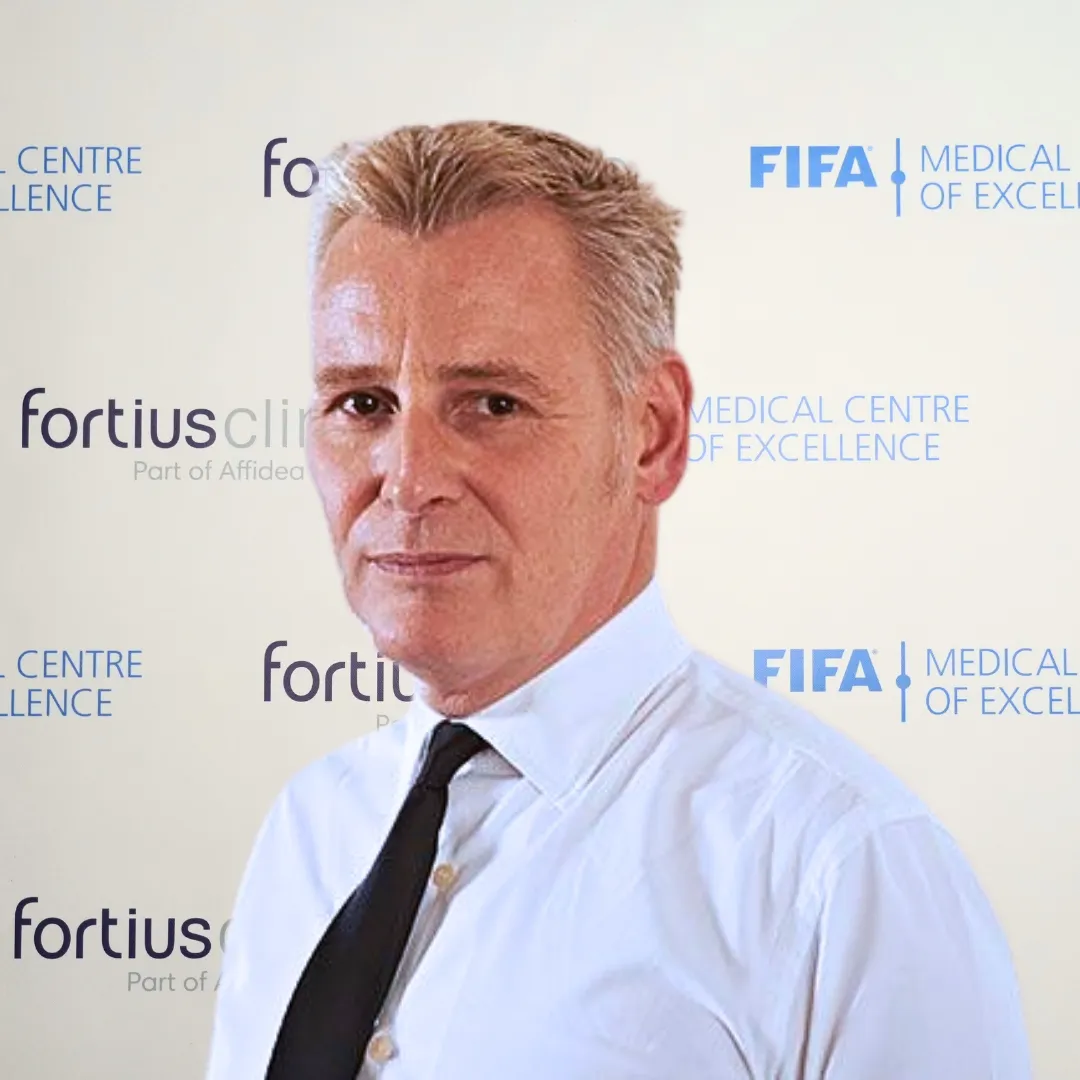
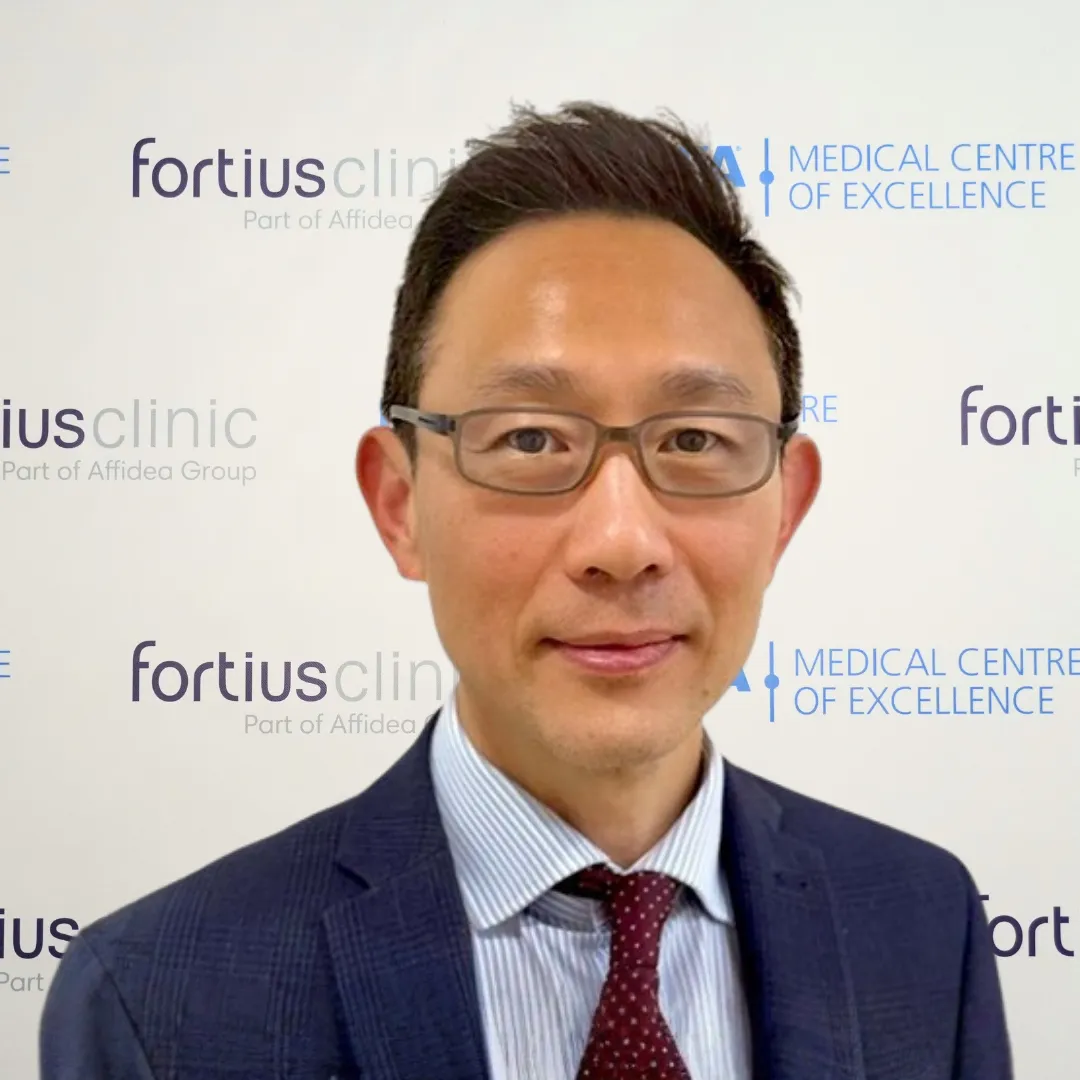
Our Experts - Our Leaders in Radiology








How to pay
We offer flexible options depending on how you choose to access care at Fortius. Whichever option you choose, we’ll help make the process clear and straightforward from the start.

Private medical insurance
If your care is covered by private medical insurance, we’ll usually invoice your insurer directly. Please check your policy in advance and request an authorisation code if your insurer requires one. You’ll be responsible for paying any policy excess or costs that aren’t covered by your insurance.

Paying for yourself
You don’t need private medical insurance to access care at Fortius. If you’re paying for your own treatment, our team will explain the costs clearly and provide a personalised quote before you decide whether to go ahead.
Find a clinic near you
Fortius Clinic City
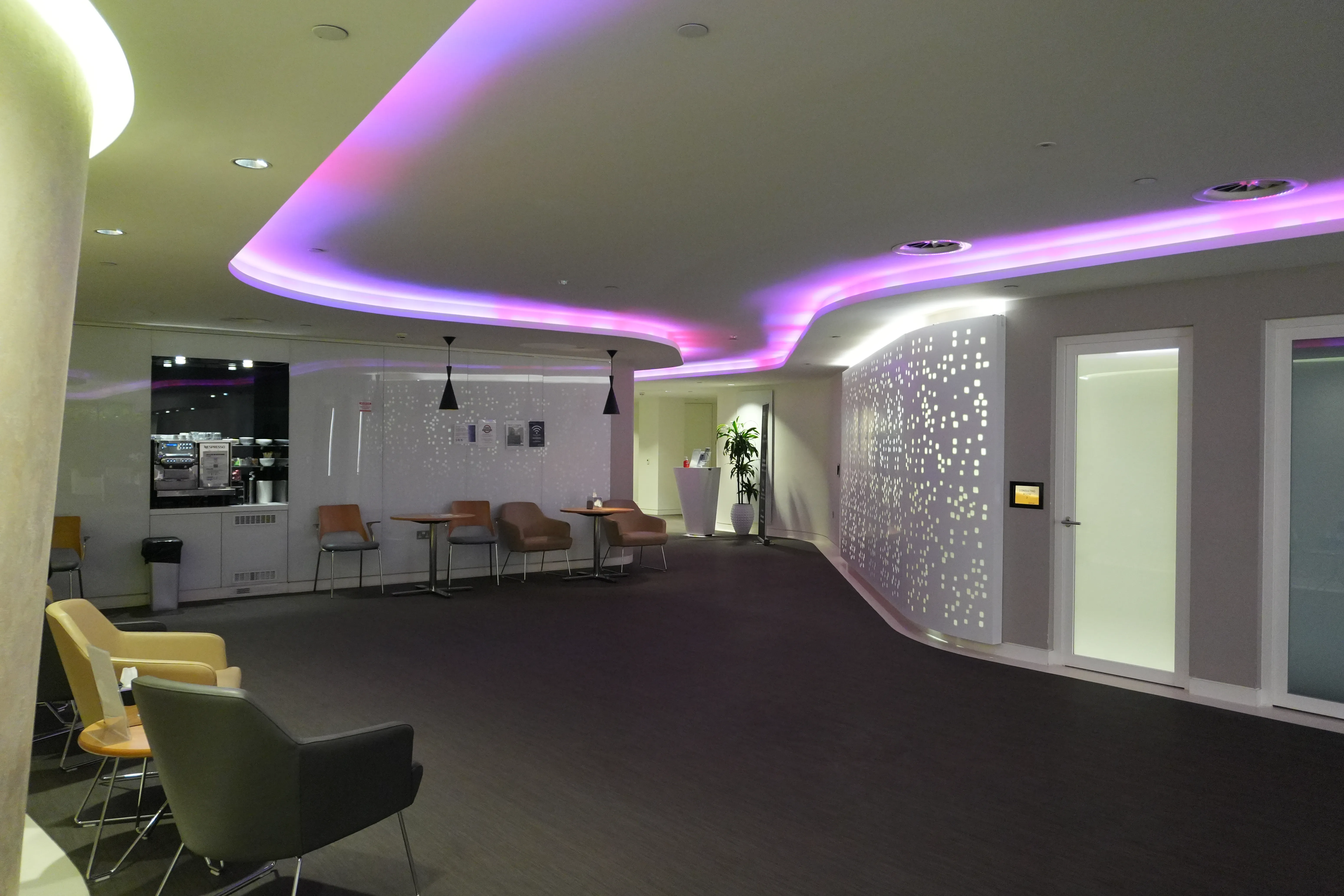
Our City Clinic is conveniently located between Bank and Monument stations, within the historic and financial heart of London. At our modern, two-floor facility we have nine consulting rooms, spacious waiting areas, well equipped treatment rooms and an imaging centre.
Explore our City Clinic with our virtual tour.
If you are travelling by Tube, our closest underground stations are Bank and Monument, exit 6 for King William Street.
Should you be travelling by car, the closest parking is a three minute drive away at NCP Car Park London Vintry Thames Exchange. If you are attending clinic on a weekday, please be aware that we are based in the congestion charge zone.
- 75 King William Street EC4N 7BE
- 0203 195 2442
- Outpatient times are Monday to Friday from 8.00am to 8.00pm.
- Snow Injuries Clinic
- Tendon Clinic
- Sports & Exercise Medicine
- MRI Scan
- Ultrasound
- X-Ray
- Physician services
- Rheumatology
Fortius Clinic London

Our 79,000 sq ft, seven-story, private hospital on Wigmore Street has 39 en-suite inpatient rooms, consultation and treatment rooms, and a physiotherapy suite.
The hospital has a high-spec imaging suite fully equipped with an MRI, CT scanner and X-ray machine. There are three state-of-the-art operating theatres, two anaesthetic rooms and a recovery bay.
Fortius Clinic London has two Mako robots for hip and knee joint replacements.
- 66 Wigmore Street W1U 2SB
- 0203 195 2442
- Outpatient times are Monday to Friday from 8.00am to 8.00pm.
- Sports & Exercise Medicine
- Snow Injuries Clinic
- Tendon Clinic
- MRI Scan
- Ultrasound
- X-Ray
- Physician services
- Rheumatology
- CT Scan
- Image guided injections
- Physiotherapy
- MAKO Robotic Joint Replacement
Fortius Clinic Wimbledon
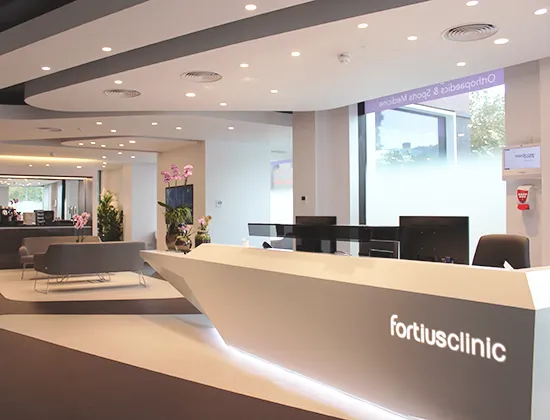
Our Wimbledon clinic houses a state-of-the-art imaging centre with a 3T MRI and X-ray scanners, Ultrasound, seven consulting rooms, two spacious waiting areas and well equipped treatment rooms all located on one level, ensuring easy accessibility for all patients.
Our partnership with Spire St Anthony’s Hospital allows us to provide orthopaedic surgery closer to our clinic. We treat a full range of conditions and perform joint replacement surgery using the latest Mako robotic assisted technology.
The building at 22 Worple Road has steps leading up to the front entrance. If you require assistance please inform us before your arrival by calling ahead on 020 3195 2442
- 22 Worple Road SW19 4DD
- 0203 195 2442
- Outpatient times are Monday to Friday from 8.00am to 8.00pm.
- Snow Injuries Clinic
- MRI Scan
- Ultrasound
- X-Ray
1 of 3