
X-ray
A quick and painless way to take pictures of the inside of your body and investigate problems affecting your bones and joints.

Specialist diagnostic care for your bones and joints
An X-ray is a quick and painless way to take pictures of the inside of your body. It’s often used to check for broken bones or changes in your joints, but can be helpful for investigating a range of conditions.
At Fortius, we offer X-rays for problems affecting your bones and joints, including specialist leg length and whole spine X-rays. Some surgical procedures also use live X-rays, which are produced by a machine called an image intensifier.
Your X-ray will be performed by a radiographer, who is specially trained to take medical images. They’ll explain what will happen and help you get into the right position.

How is an X-ray carried out?
At your appointment, your radiographer may ask you to remove clothing or jewellery from the area being examined.
Your radiographer will help you position the affected part of your body next to the X-ray machine.
You’ll need to keep still for a few seconds while each image is taken. Your radiographer may ask you to change position so they can take pictures from different angles.
An X-ray won’t hurt, and the appointment usually takes no more than 10 minutes.
Types of X-ray we offer at Fortius Clinic
Whole spine X-rays
Live X-rays during surgery
Standard X-Rays
Leg length X-rays
Are there any risks?
X-rays use a small amount of ionising radiation to create images. We’re all exposed to low levels of this type of radiation every day, including from the environment.
The amount used for an X-ray is kept as low as possible. Before your appointment, a qualified healthcare professional will check that the X-ray is correct for you and that the benefits outweigh the small risk.
If you’re pregnant or think you might be, please tell your referrer and radiographer before the X-ray. They’ll discuss the safest next step with you.
If you have any concerns, your radiographer will be happy to discuss them.

Clinics with this service
Fortius Clinic City
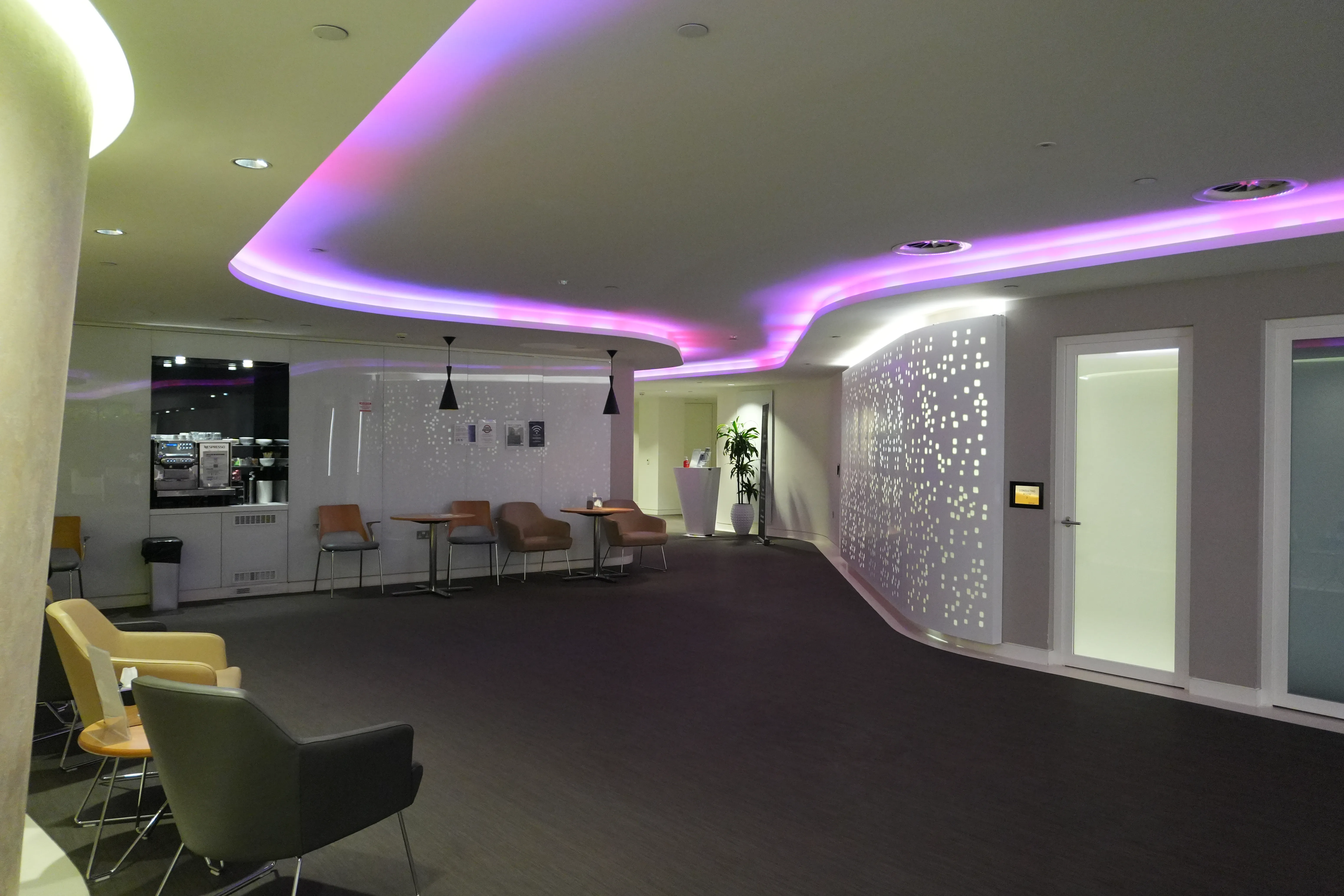
Our City Clinic is conveniently located between Bank and Monument stations, within the historic and financial heart of London. At our modern, two-floor facility we have nine consulting rooms, spacious waiting areas, well equipped treatment rooms and an imaging centre.
Explore our City Clinic with our virtual tour.
If you are travelling by Tube, our closest underground stations are Bank and Monument, exit 6 for King William Street.
Should you be travelling by car, the closest parking is a three minute drive away at NCP Car Park London Vintry Thames Exchange. If you are attending clinic on a weekday, please be aware that we are based in the congestion charge zone.
- 75 King William Street EC4N 7BE
- 0203 195 2442
- Outpatient times are Monday to Friday from 8.00am to 8.00pm.
Fortius Clinic Marylebone
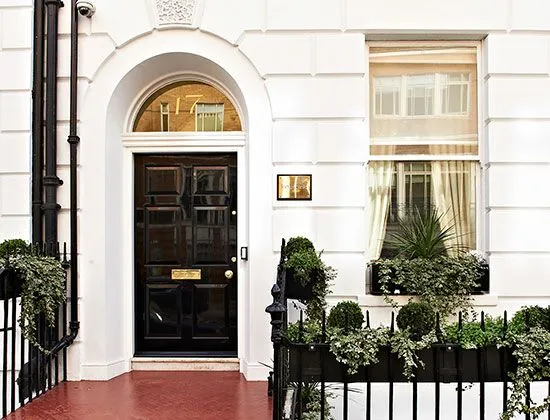
Our Marylebone Clinic is conveniently located in the historic area between Baker Street and Marylebone High Street, just off Manchester Square, home to the iconic Wallace Collection. We have seven consulting rooms, private waiting areas on each floor, well equipped treatment rooms and diagnostic imaging.
- 17 Fitzhardinge StreetW1H 6EQ
- 020 3195 2442
- Outpatient times are Monday to Friday from 8.00am to 8.00pm.
Fortius Clinic London

Our 79,000 sq ft, seven-story, private hospital on Wigmore Street has 39 en-suite inpatient rooms, consultation and treatment rooms, and a physiotherapy suite.
The hospital has a high-spec imaging suite fully equipped with an MRI, CT scanner and X-ray machine. There are three state-of-the-art operating theatres, two anaesthetic rooms and a recovery bay.
Fortius Clinic London has two Mako robots for hip and knee joint replacements.
- 66 Wigmore Street W1U 2SB
- 0203 195 2442
- Outpatient times are Monday to Friday from 8.00am to 8.00pm.
Fortius Clinic Wimbledon
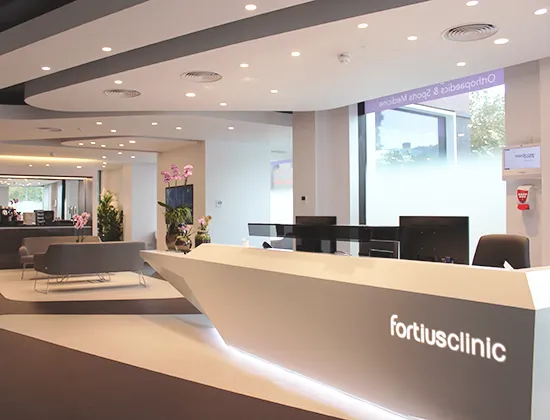
Our Wimbledon clinic houses a state-of-the-art imaging centre with a 3T MRI and X-ray scanners, Ultrasound, seven consulting rooms, two spacious waiting areas and well equipped treatment rooms all located on one level, ensuring easy accessibility for all patients.
Our partnership with Spire St Anthony’s Hospital allows us to provide orthopaedic surgery closer to our clinic. We treat a full range of conditions and perform joint replacement surgery using the latest Mako robotic assisted technology.
The building at 22 Worple Road has steps leading up to the front entrance. If you require assistance please inform us before your arrival by calling ahead on 020 3195 2442
- 22 Worple Road SW19 4DD
- 0203 195 2442
- Outpatient times are Monday to Friday from 8.00am to 8.00pm.
1 of 4